Coming up in 2026
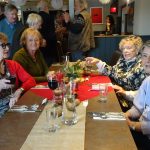
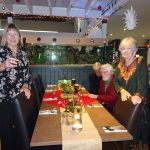
Monday 7th December – Xmas Lunch at The Falmouth
Monday 25th January at 6pm. Our CPR and defibrillator training with SWAST (led by Tim Goldburn) will take place in the KCM Church Vestry.
Friday 12th March at 6pm at Pendennis Community Centre.
AGM
The speaker will be Kim Conchie, Deputy Lieutenant; Chair, Cornwall Community Foundation; President, Royal Cornwall Polytechnic Society; Cornish Bard (name; Kannas Kann); FRSA; Director, Cornwall Chamber of Commerce; Founder, Navas Drinks
Past Events and photos
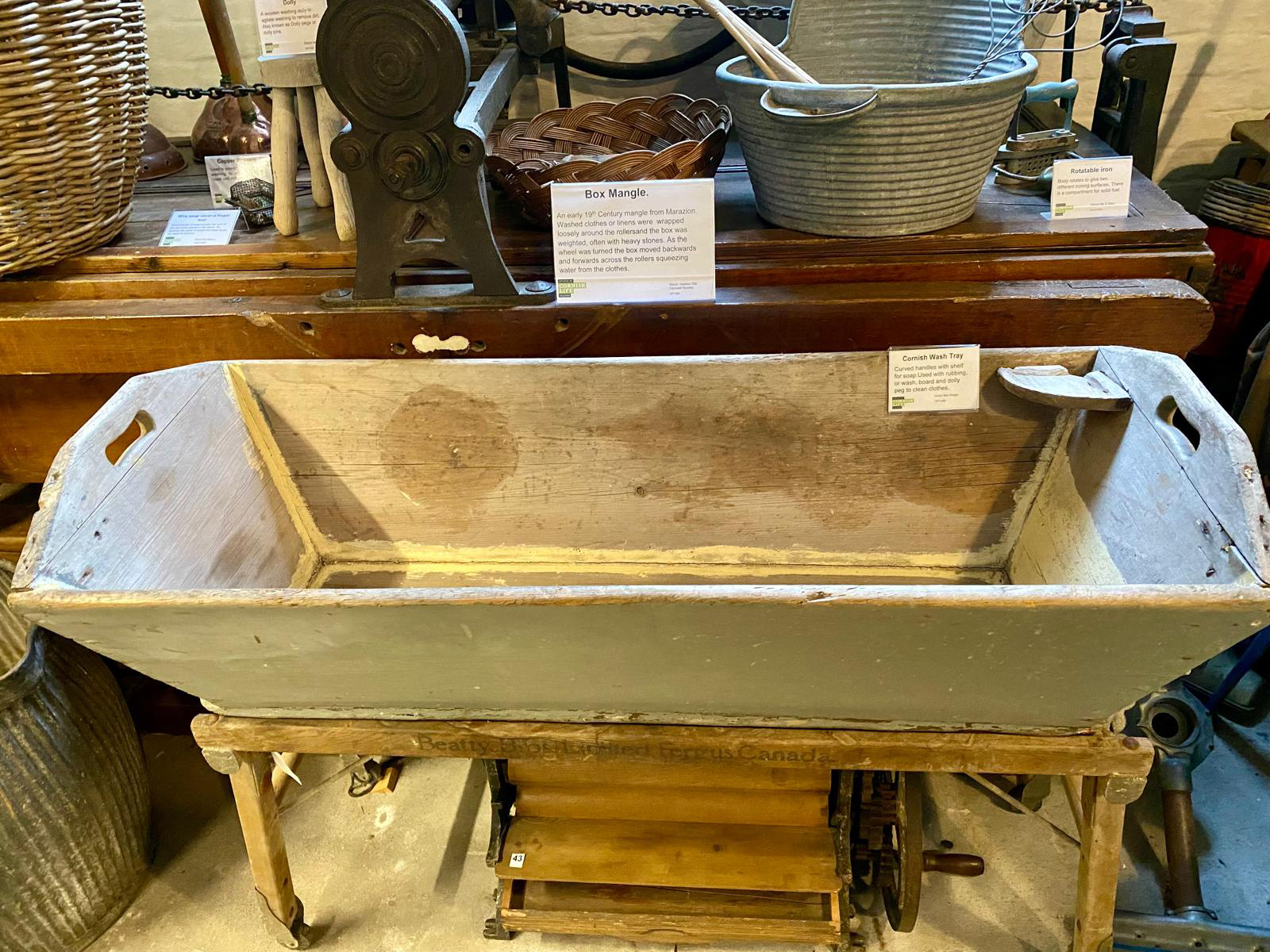
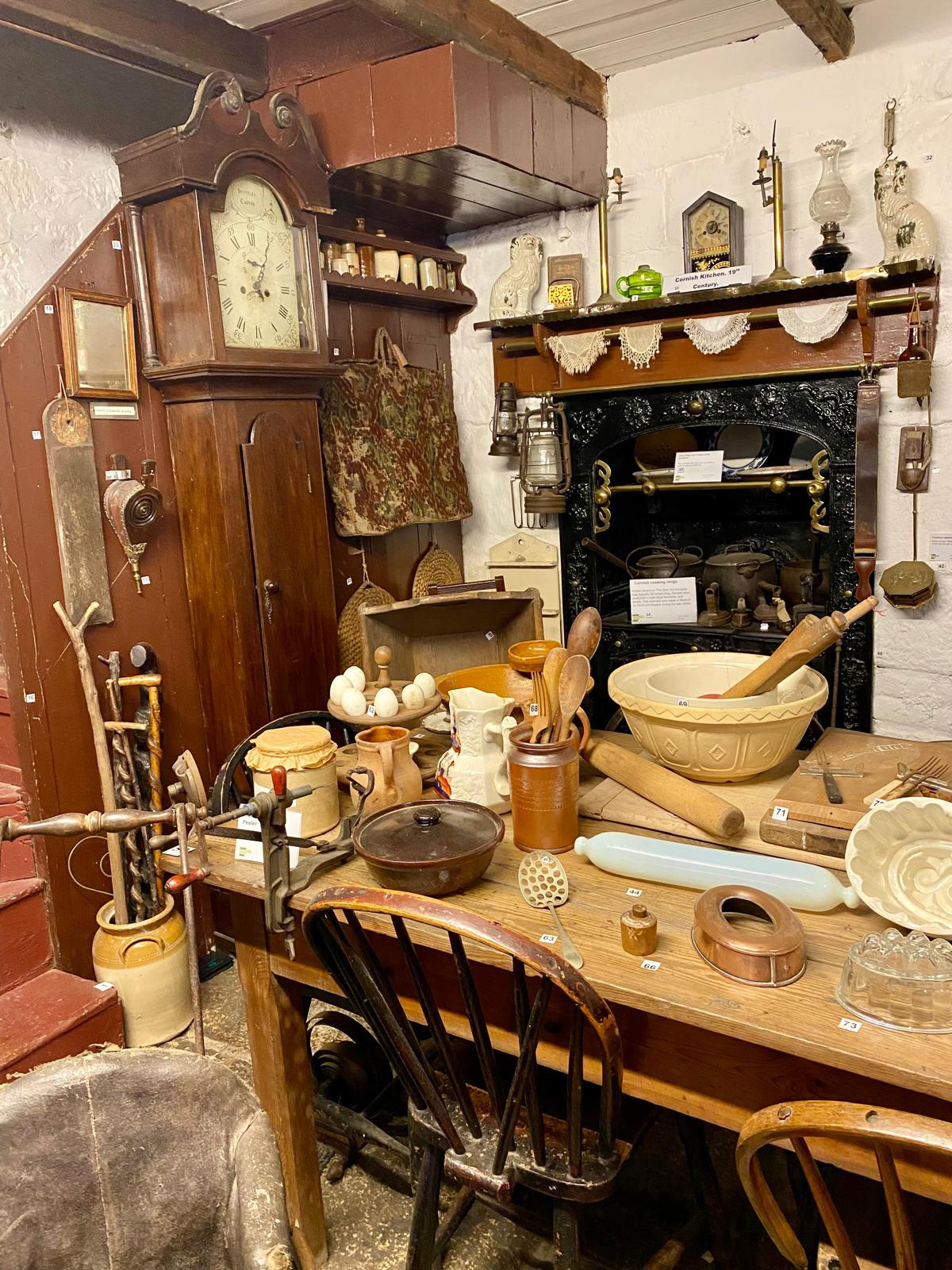
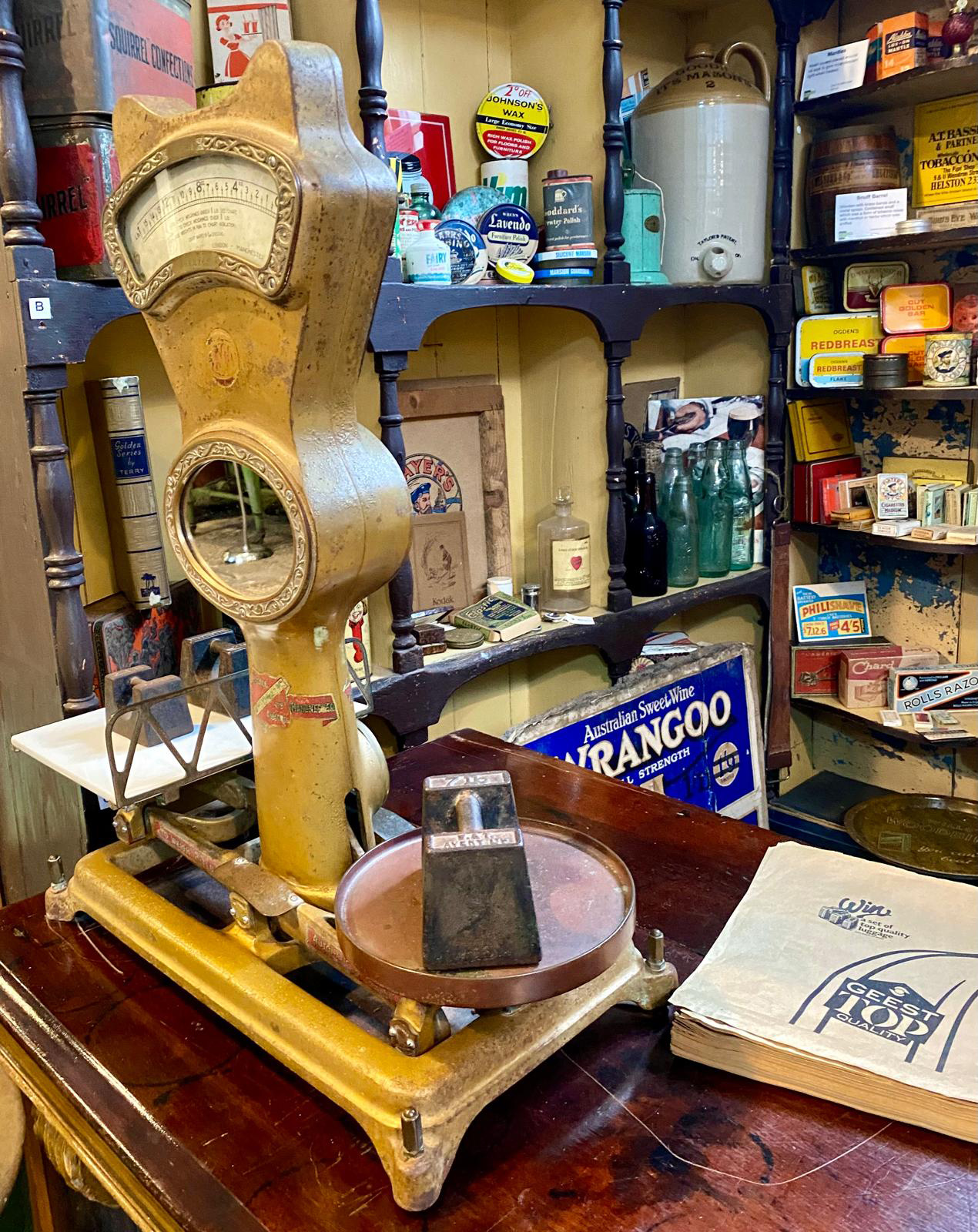
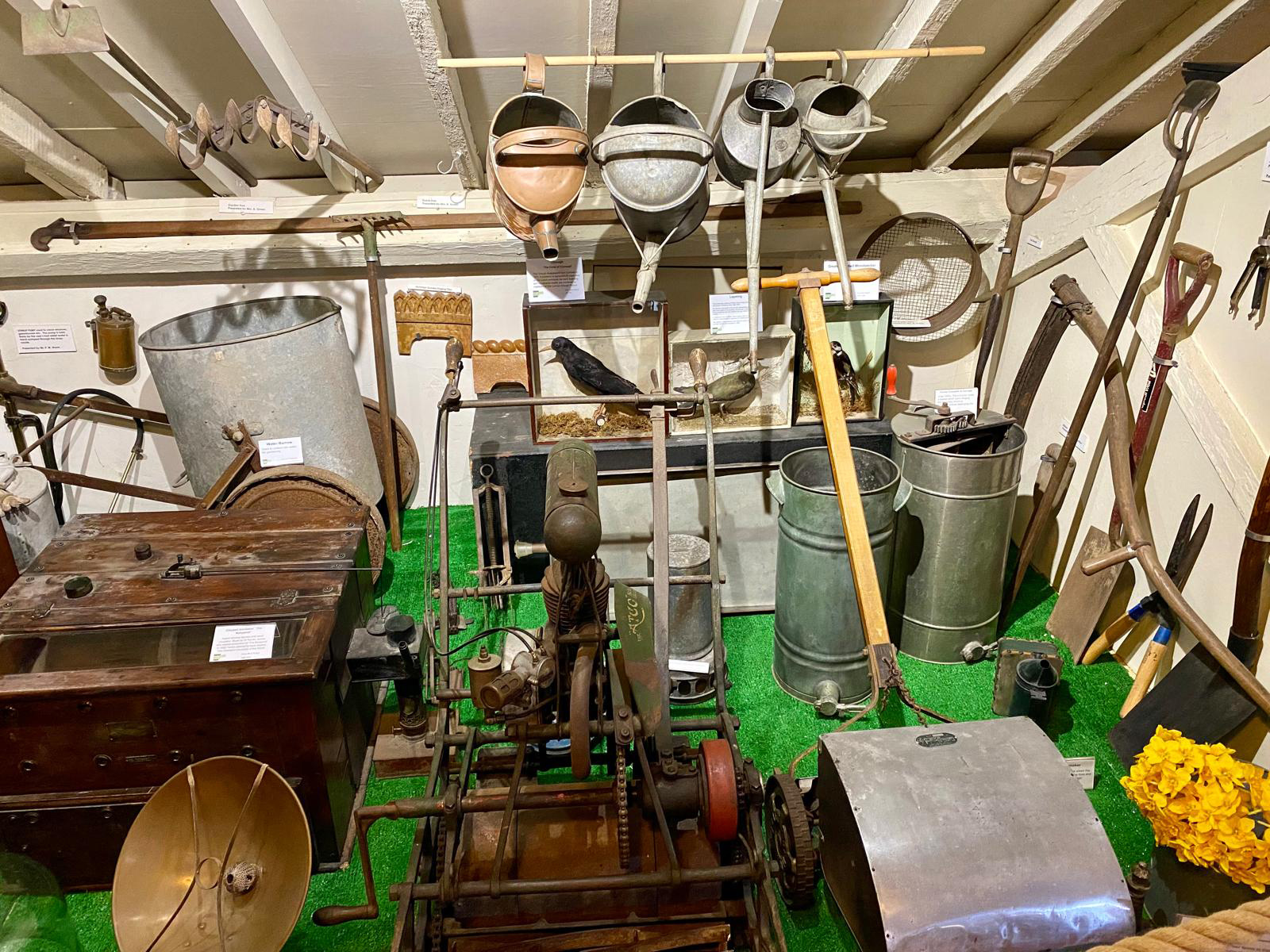
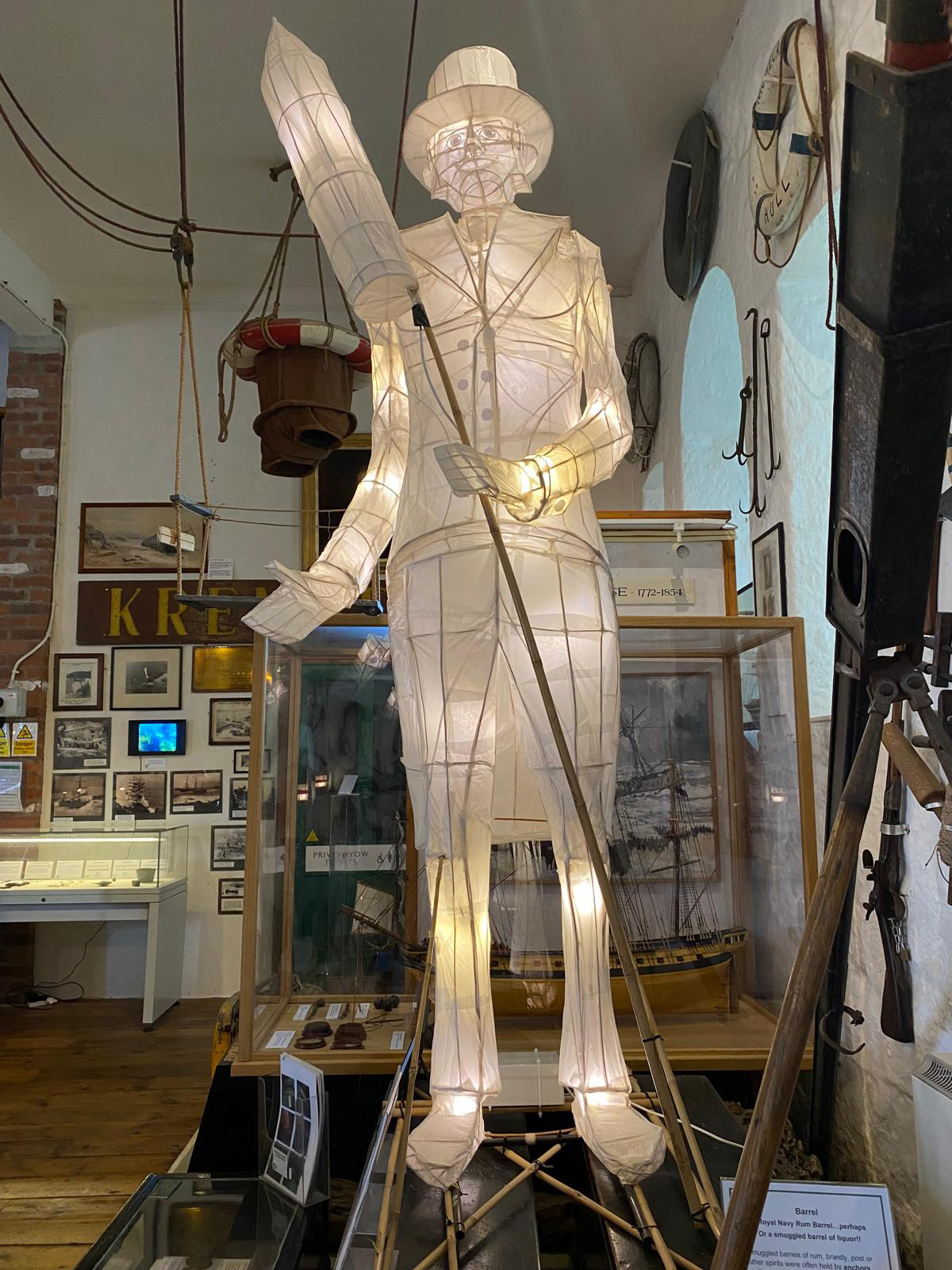
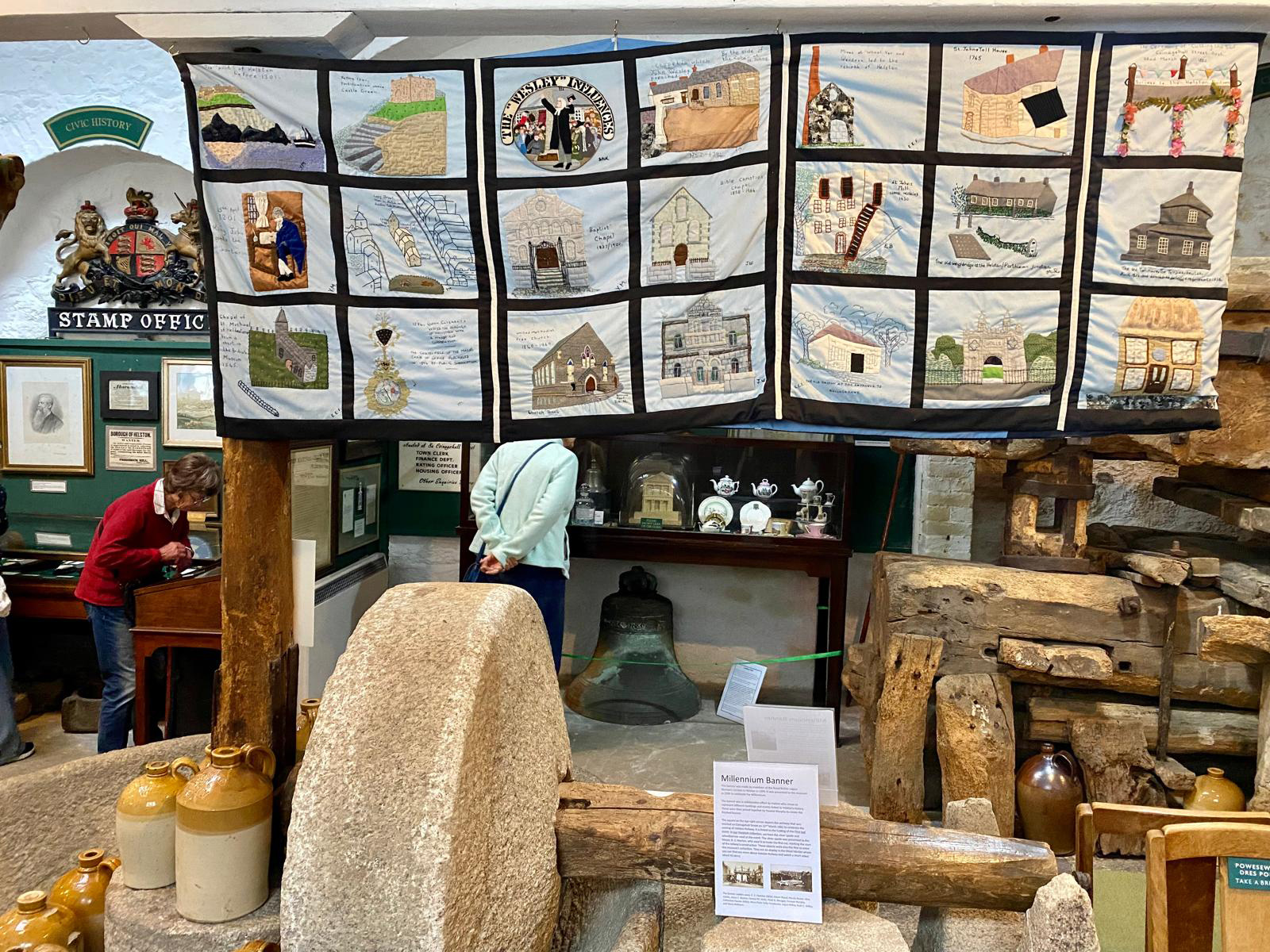
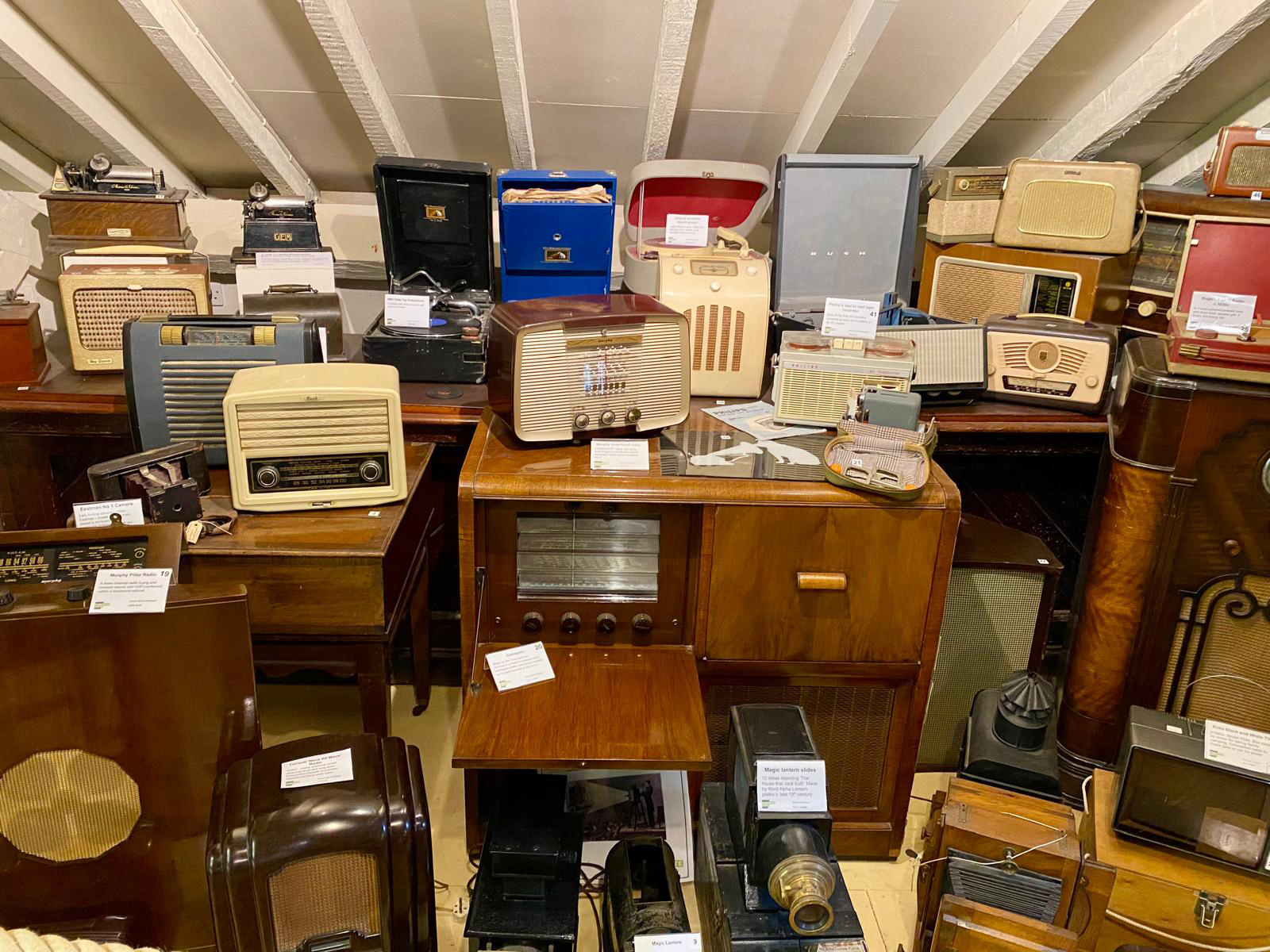
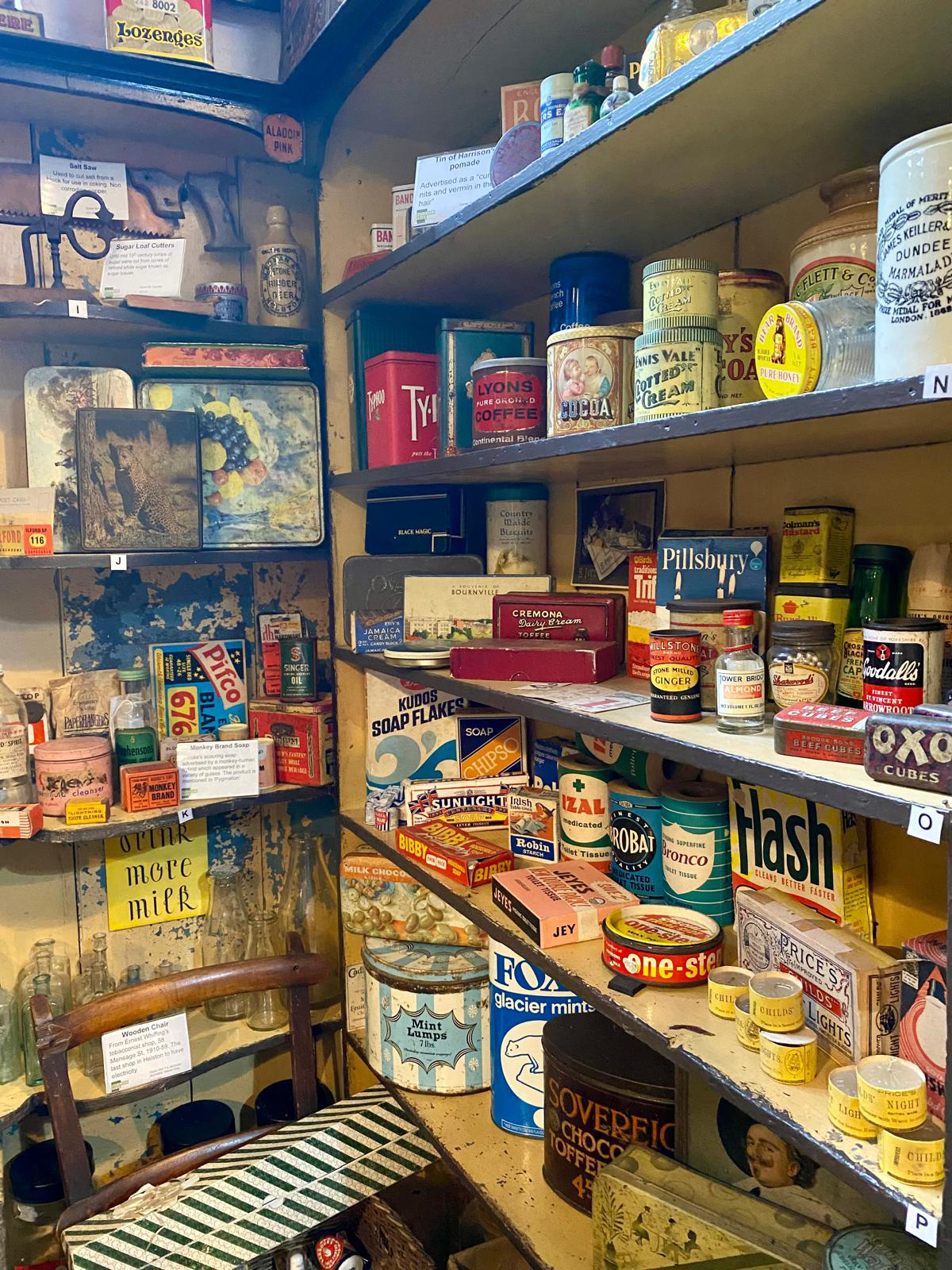
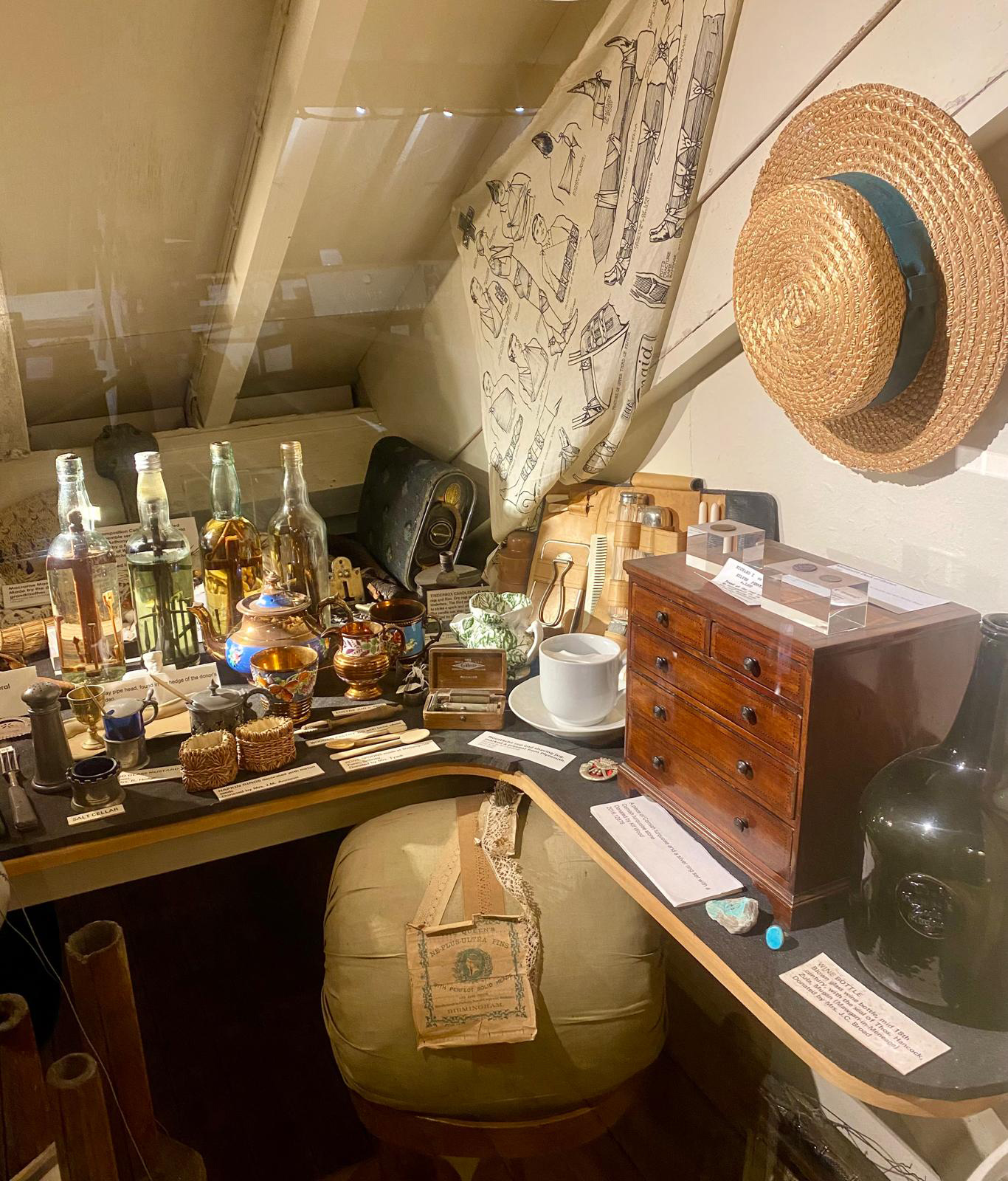
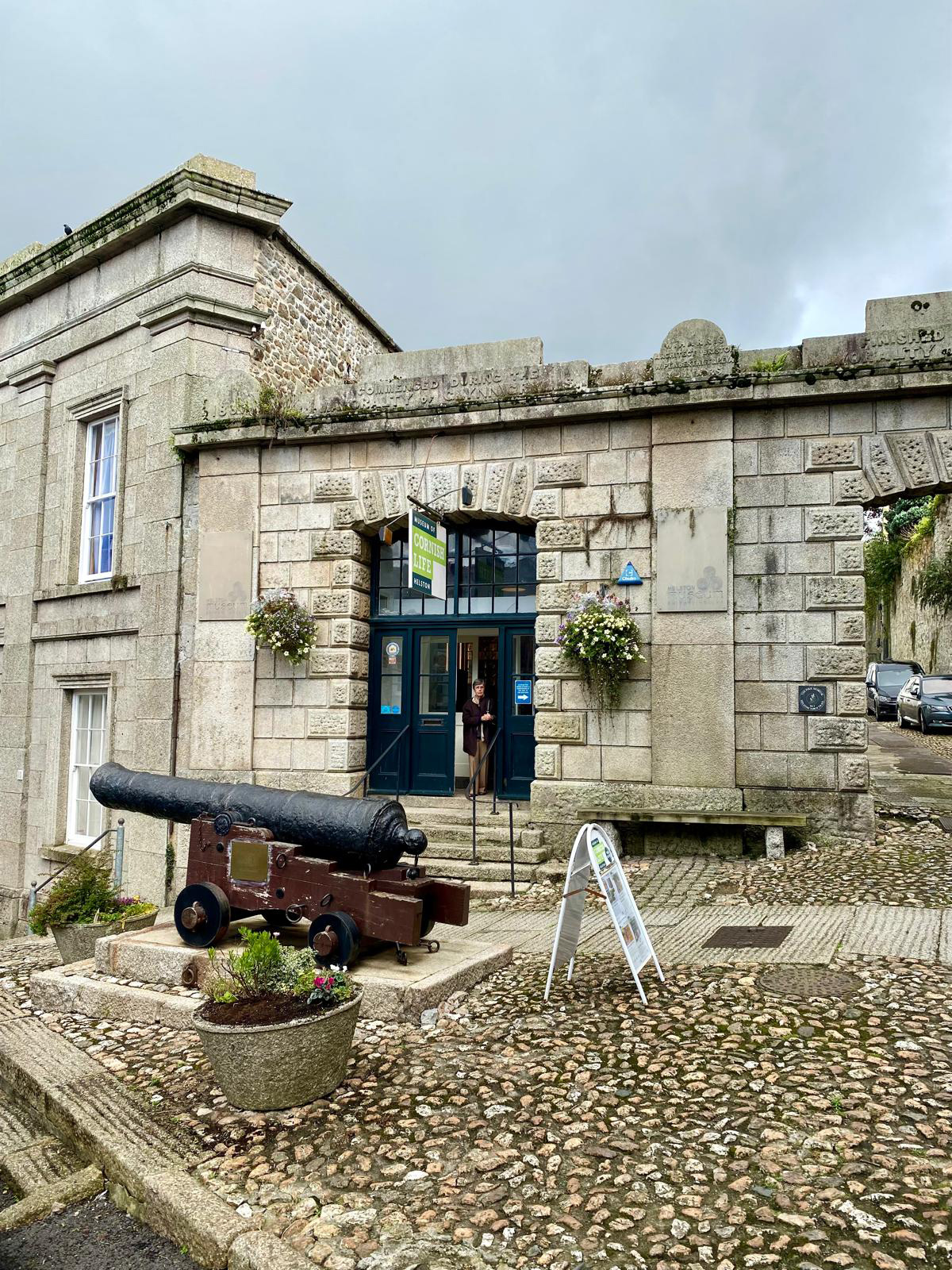
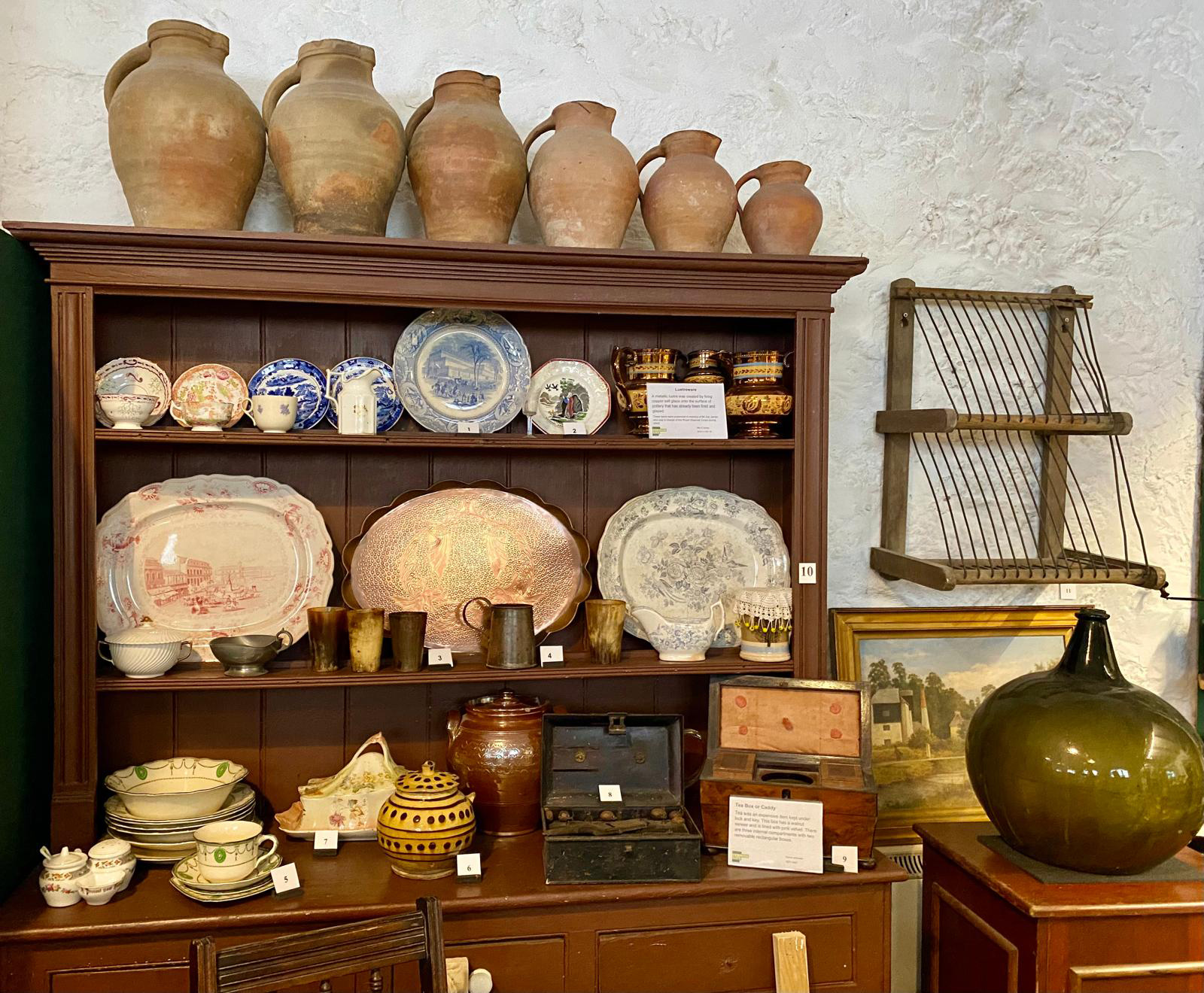
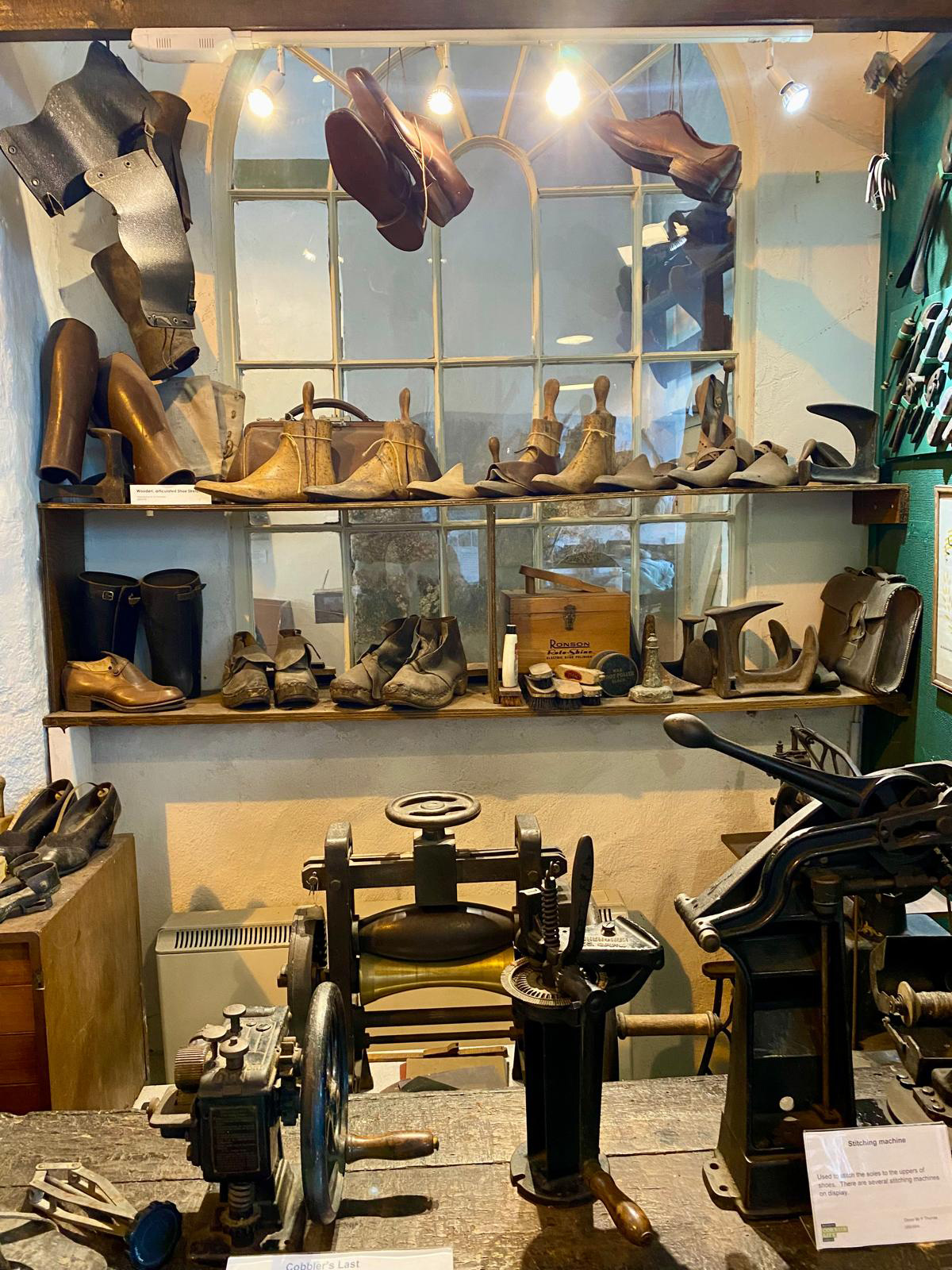
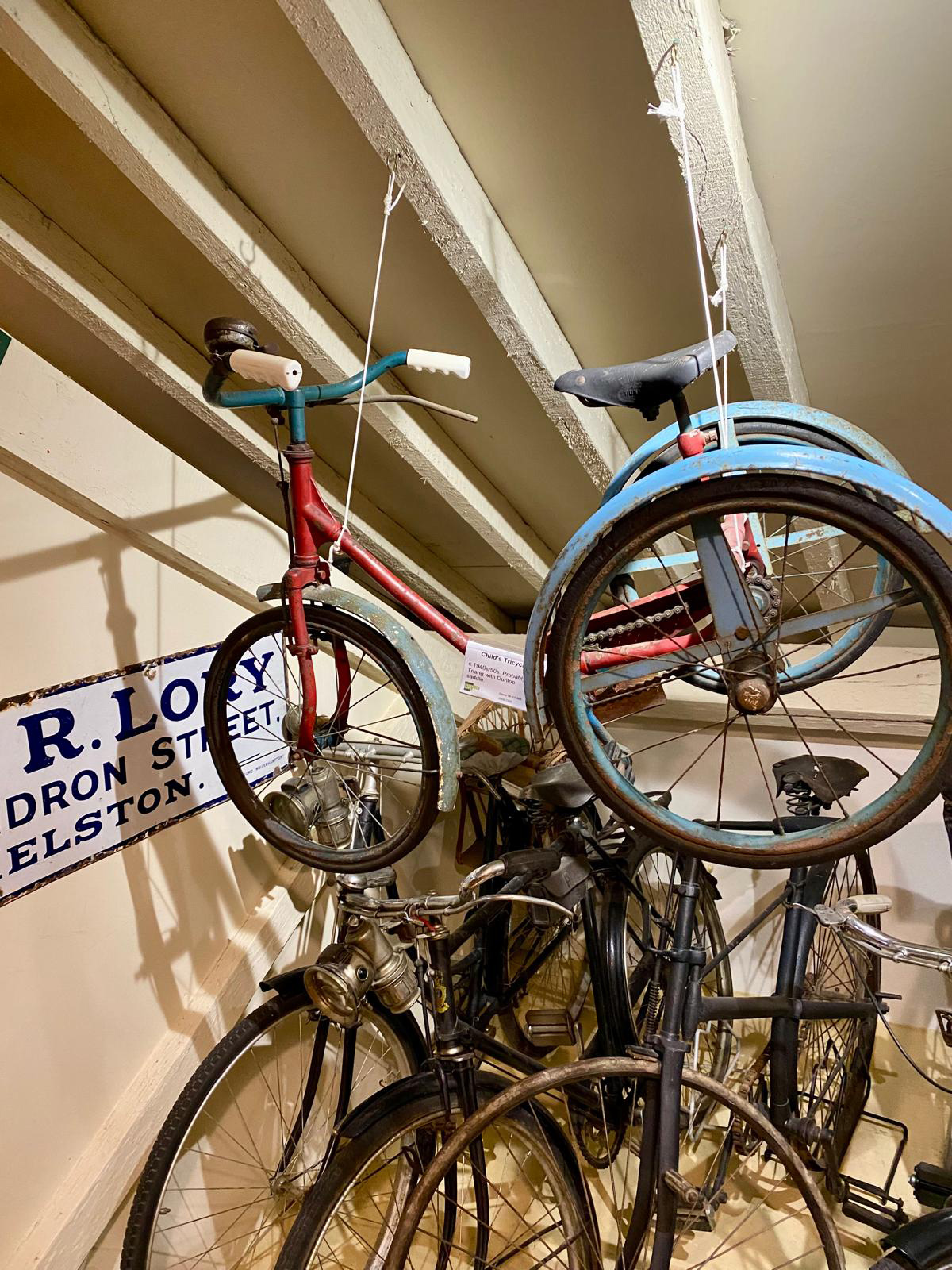
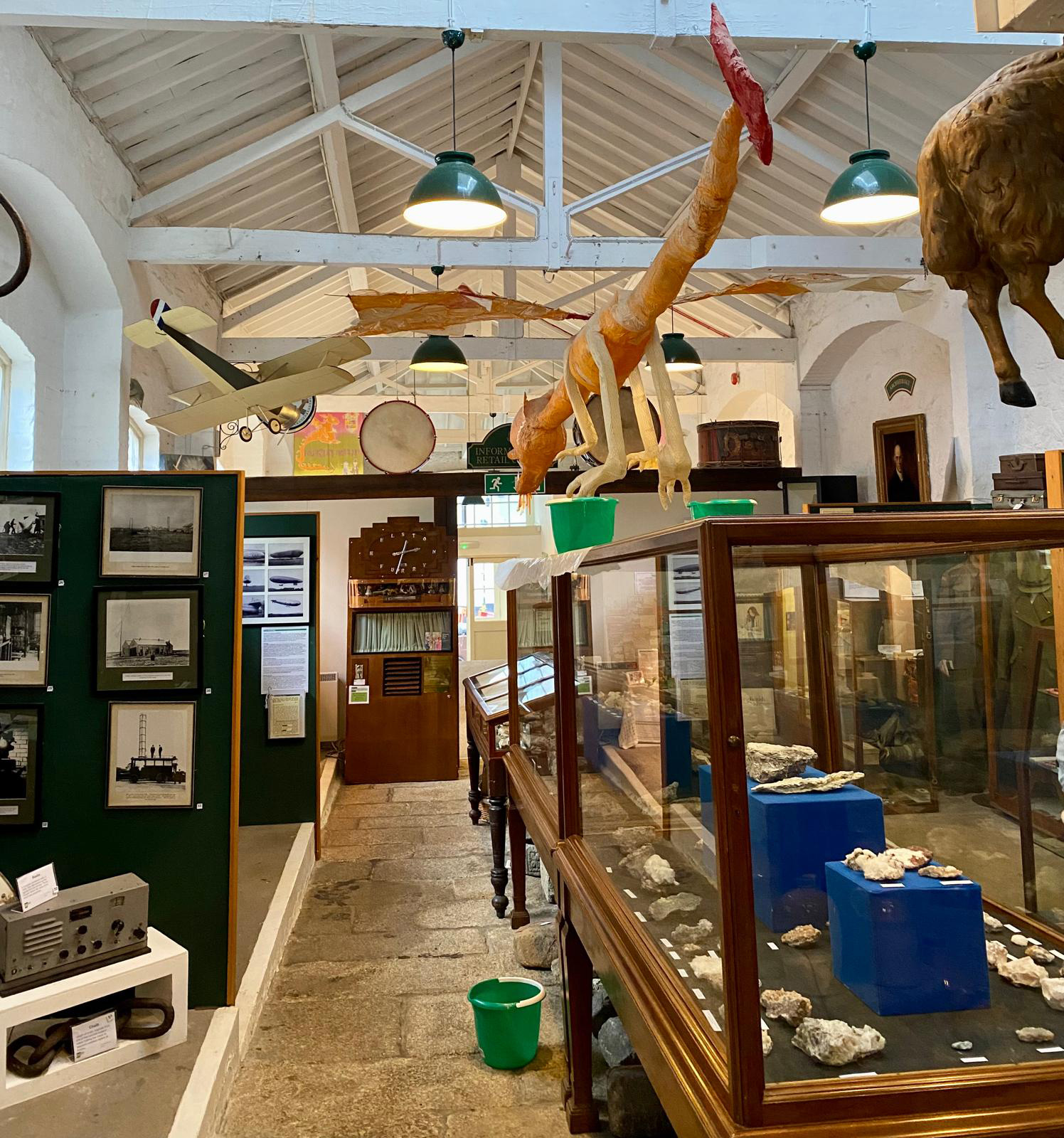
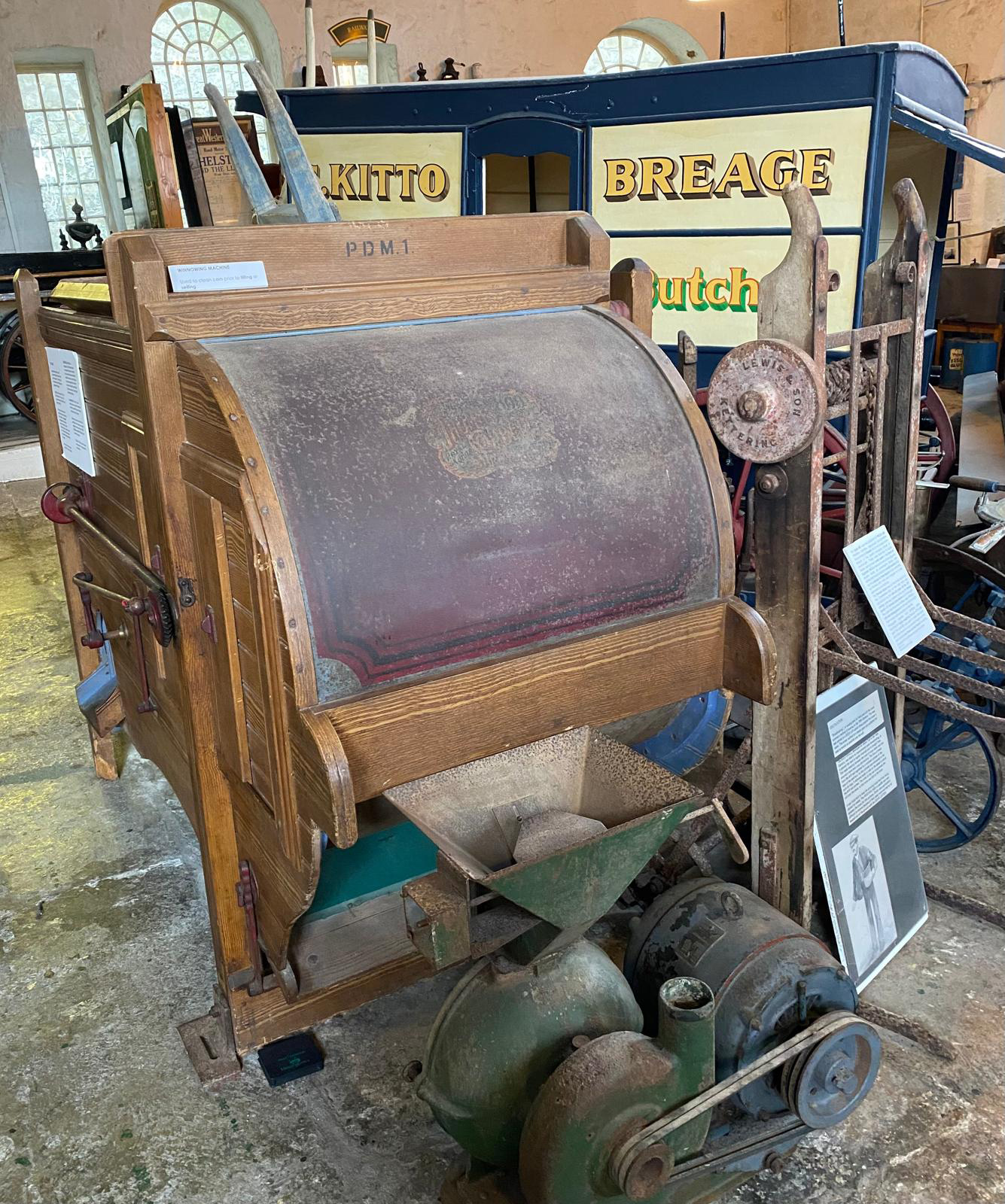
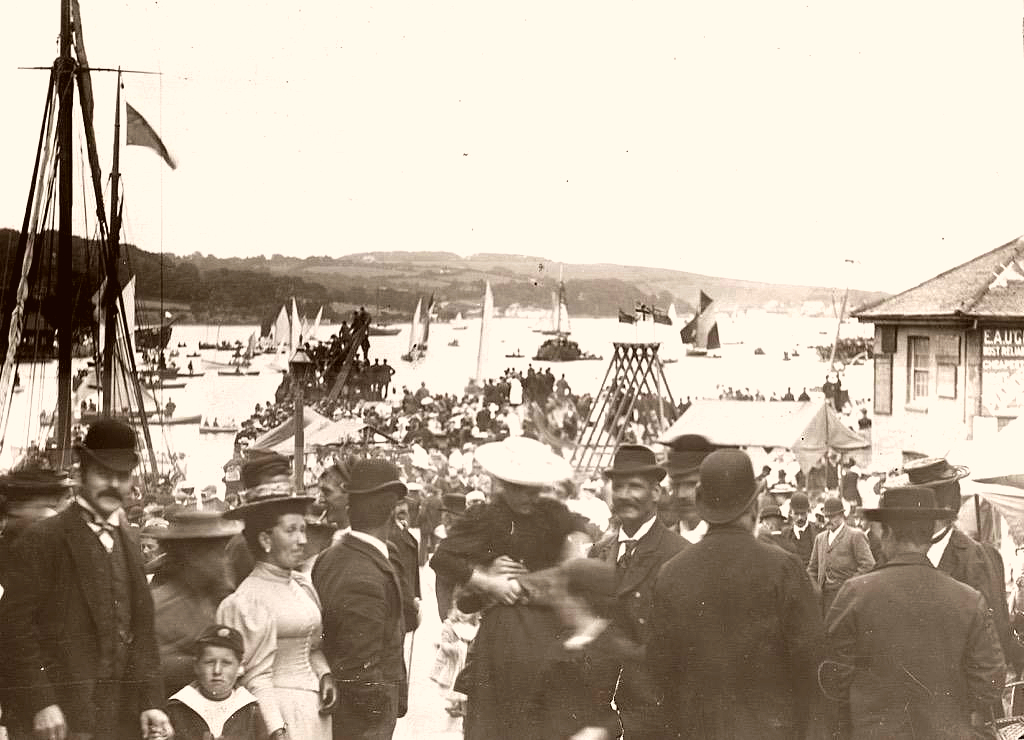
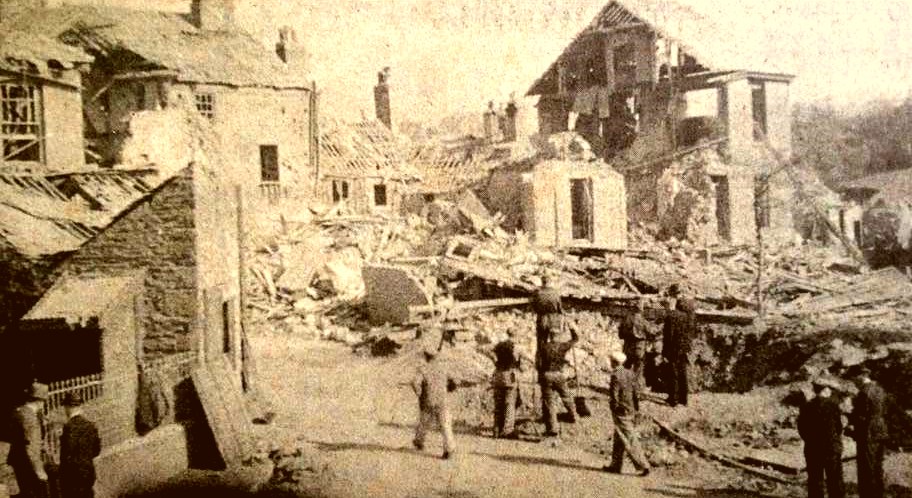
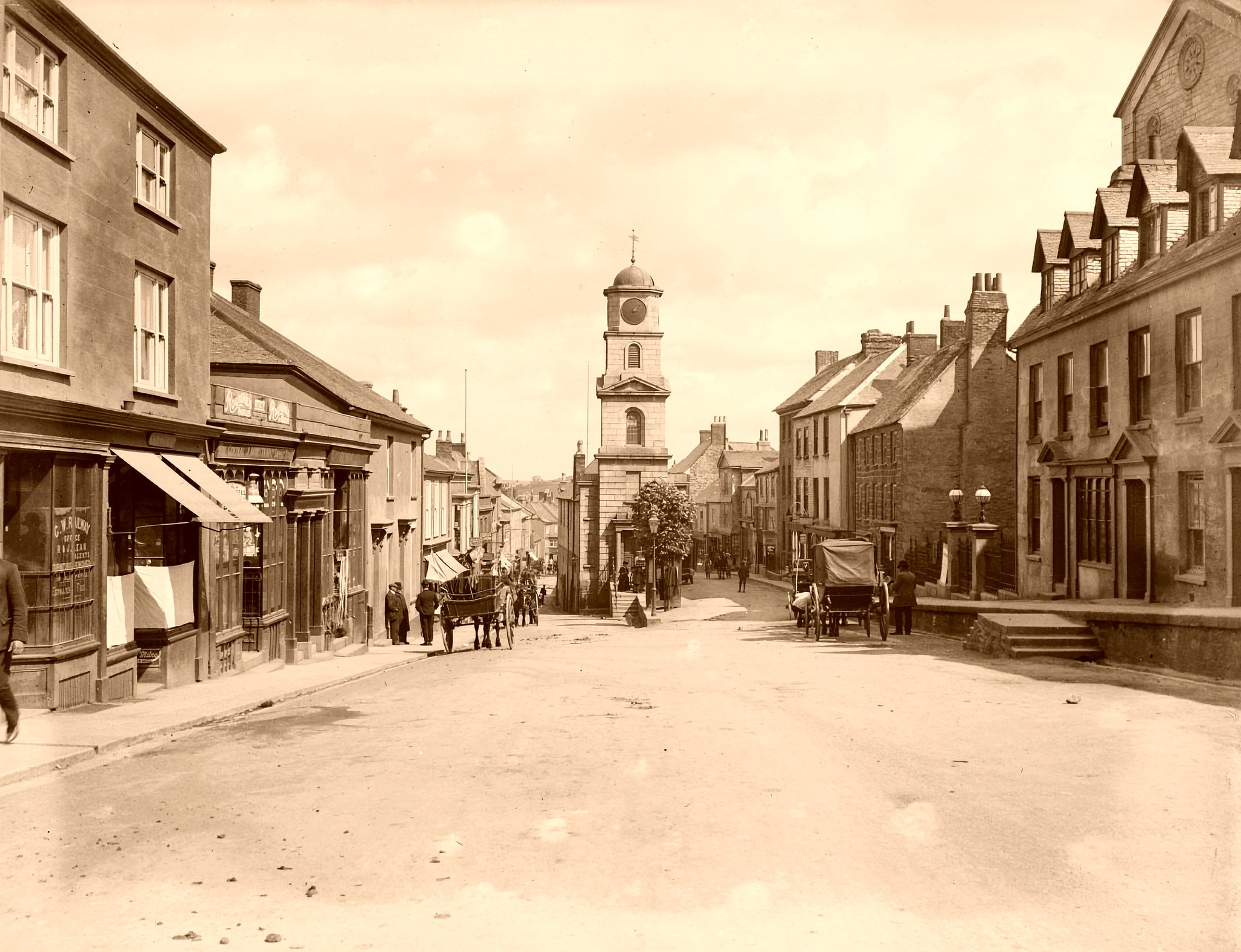
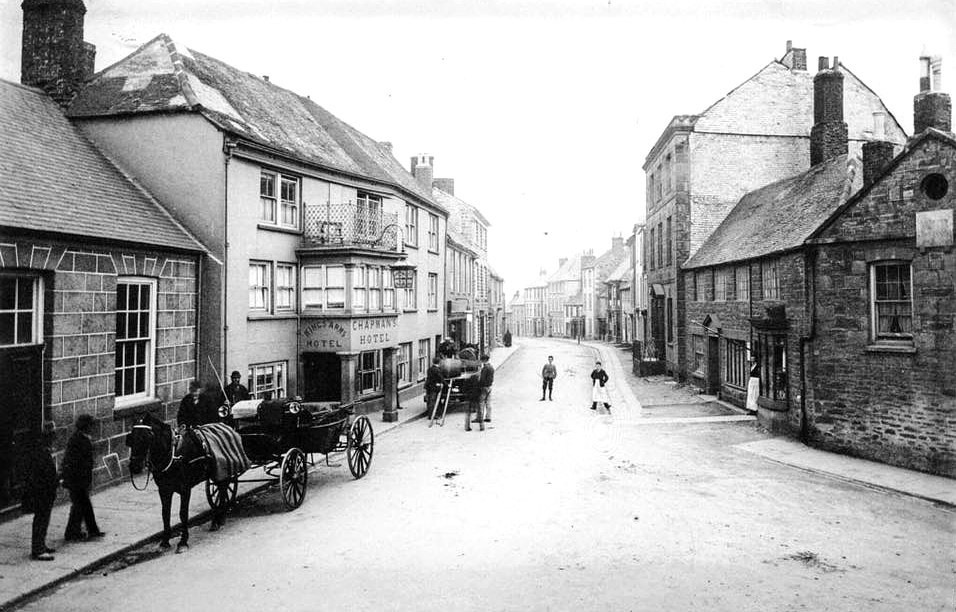
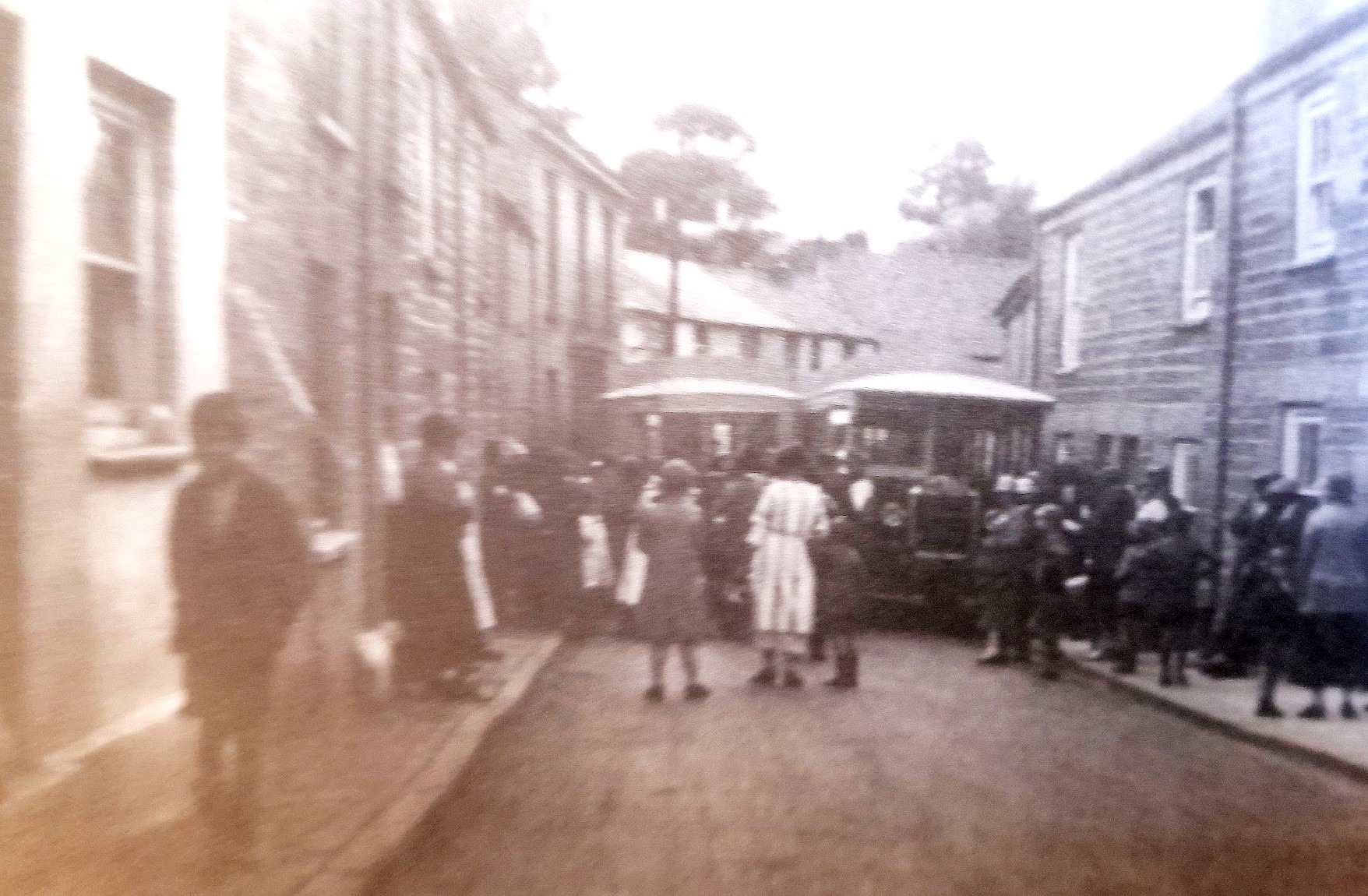
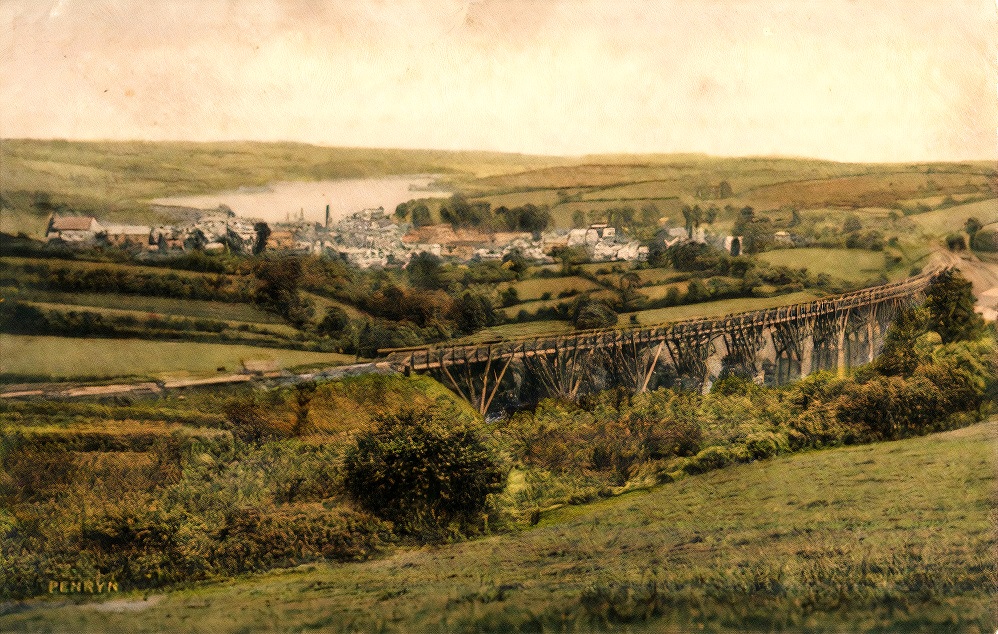
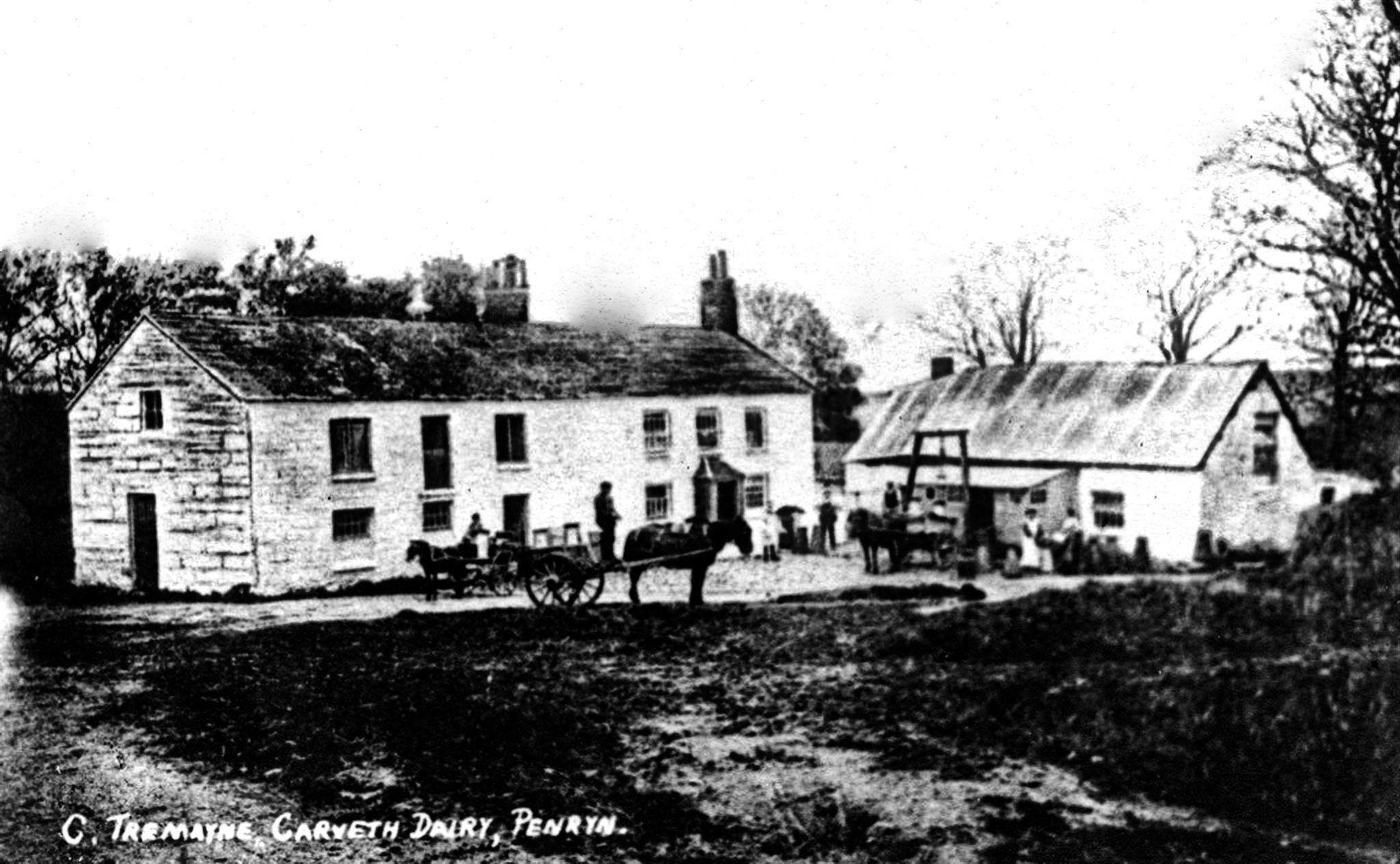
We had an interesting talk on Penryn’s history given by John Kirby. Here are some of the photos, more of which can be seen at Penryn Museum. Penryn History – The official website of Penryn Museum
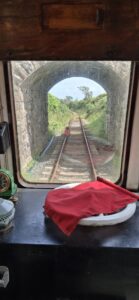
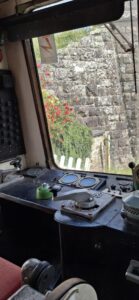
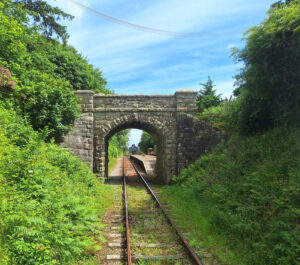
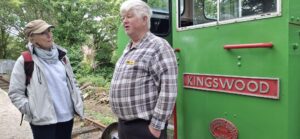
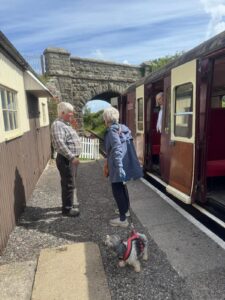
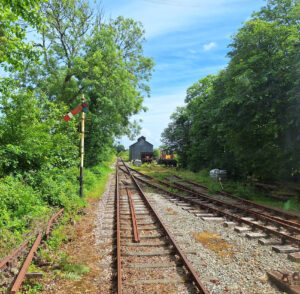
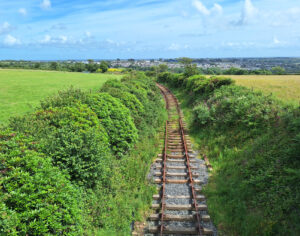
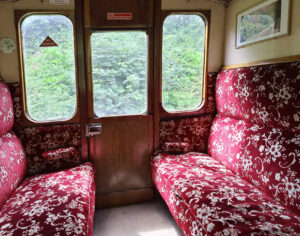
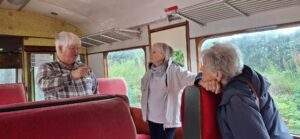
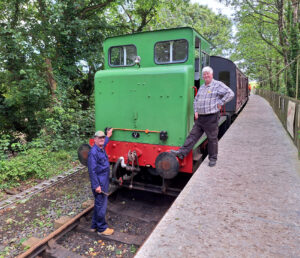
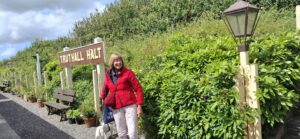
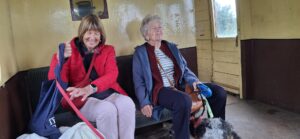
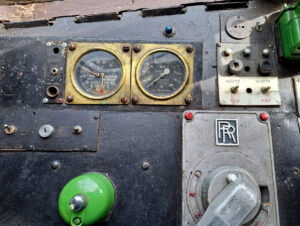
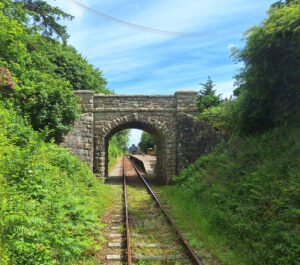
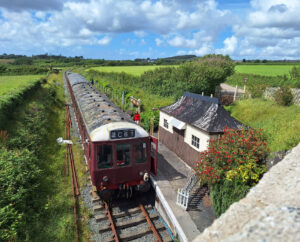
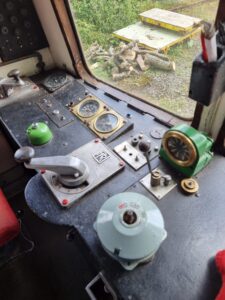
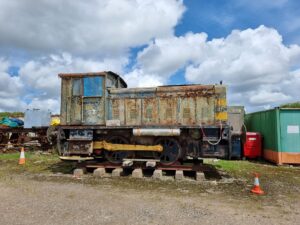
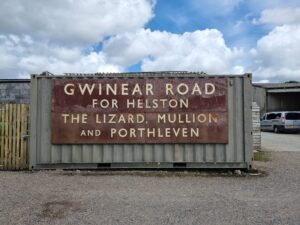
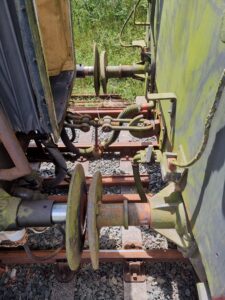
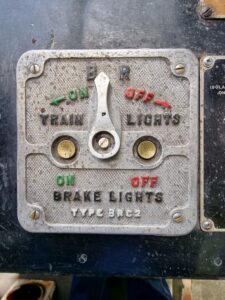
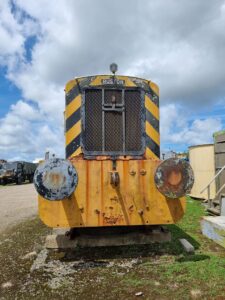
Since 2005 The Helston Railway Preservation Society has relaid 1¼ miles of track
between their base at Prospidnick Halt and Truthall Halt. Falmouth Civic Society
members enjoyed a memorable afternoon travelling the line (twice!) on the sunny
afternoon of 9th June 2026.
Thanks to Anne Hammick, Angela Barton and Theresa Outing for these photos.

Falmouth’s Shoreline
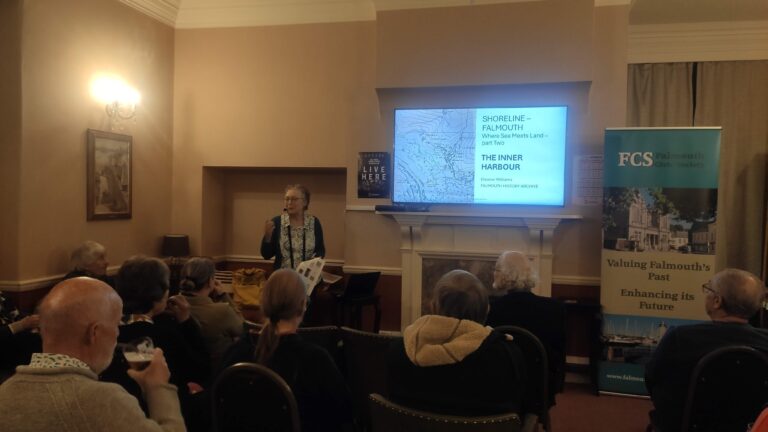
Eleanor Williams gave members of Falmouth Civic Society a fascinating talk about the history of the extension of Falmouth’s shoreline. Eleanor has done extensive research at The Poly History Archive and at Kresen Kernow. Her talk was illustrated by many old maps and photos. This was the second of Eleanor’s talks. This time she started in 1827, a time when the town extended little further than the lower part of Killigrew Street and beyond that was the country. We learnt that where the Greenbank Gardens are now, was then Olver’s Yard and that the the ferry to Flushing used to go from there. Off the Greenbank were oyster beds and the oysters were a valuable resource for the London market. The oysters were said to be particularly well fed. Just along at Market Strand there were complaints about the smell and requests that the sewage only be released on a falling tide!
In 1848 Falmouth started to grow from Market Strand. The coming of the railway in 1863 helped Falmouth after the decline following the loss of the Packet Ships trade.
In 1871 the short pier was built and in 1903 was extended to what is now known as the Prince of Wales pier.
At Grove Place there were once water mills and pools for seasoning timber. A little further inland from there was a lime kiln.
The 1840s and 1850s were a particularly hard time for Falmouth but the new docks in 1860 started to restore its fortunes. Then, as now progress has to be made, with the proposed extension of the docks.
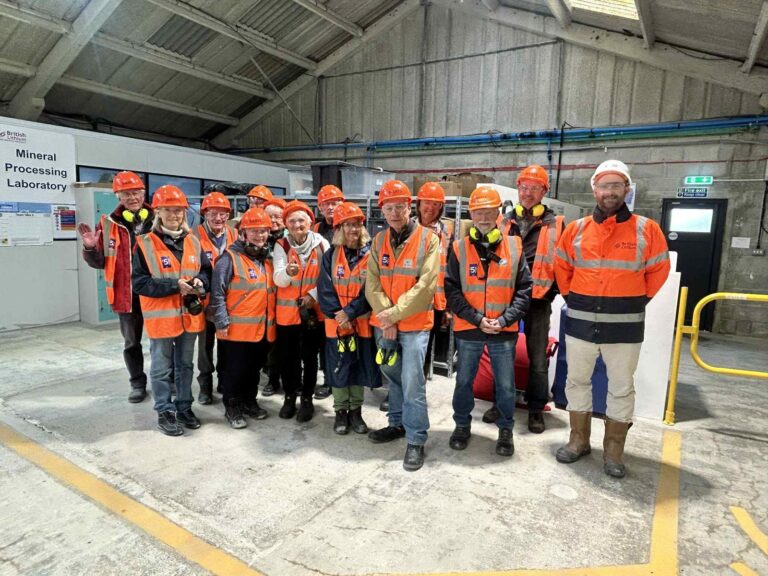
Wednesday October 8th October 2.00pm -3.30pm visit to British Lithium, Roche Road, Stenalees, St Austell PL26 8ZH
Fourteen members of the Falmouth Civic Society visited Imerys British Lithium’s Pilot Plant in the
China Clay district near St Austell on October 8th.
We were given a very interesting description of the history, purpose, process, benefits andpossibilities for lithium production on this site in Cornwall by Pilot Plant Manager who thentook us on a guided tour of the working plant, suitably kitted out with PPE (Personal Protective
Equipment)
The research and development project to extract lithium from granite at Imerys sites in the district began in 2017. The pilot plant conducts prototype extraction of lithium and continues developmentin processing and refining for high quality lithium for use in batteries, In a world first, a future full scale plant will quarry, process and refine the finished lithium product for shipping to battery manufacturing plants, ensuring the maximum benefits for Cornwall’s economy. Brand new, patented technology, will reduce waste, chemical, transportation and water usage and will use as much local renewable energy as possible.
Now, as a bear of very little brain, here is a summary of what I learned.
The lithium compound used in batteries is (currently) either Lithium Hydroxide or Lithium Carbonate. Lithium Hydroxide is used in a higher quality battery product producing more energy for a given weight of battery but is considerably more difficult and costly to produce but seems to be
favoured by European car companies. Lithium Carbonate is easier(!) and cheaper to produce and is used in batteries for commercial vehicles, Tesla, American and Oriental vehicle companies. Both compounds can be produced from granite, depending on the processing methods. While Imerys have a pilot plant in France to produce Lithium Hydroxide, the Pilot Plant in Cornwall is aimed at producing Lithium Carbonate.
The lithium in granite is contained within Mica in granite (the shiny flecks). The granite is mined, or on this site effectively quarried. It is then crushed to smaller and smaller particles to get to the Mica. The Pilot Plant receives granite crushed to about 12mm (half inch) and continues the process of crushing and mixing with water to create a slurry which can be pumped and pipe through further grinding and separation processes until it is fine enough to be passed through electromagnets which attract the Mica fragments. Hey presto, end of stage one.
Stage two involves refining the produced Mica further to get at the Lithium within. This is done chiefly through intense heating to about 1000 degrees C. More chemical processes including the addition of carbon dioxide produces Lithium Carbonate to a purity of about 85%. These patented
processes are secret and were too complicated for our audience to understand, at least in my case. End of stage two.
Because batteries need a purity of about 99.5%, stage three is a laboratory clean process and the Pilot Plant is in the process of commissioning theirs to demonstrate to potential customers the quality of the product that the future full scale plant will produce.
Now for some facts and figures (as I can remember them).
The Lithium content of the the granite on site is about .02% which is high compared to most
granites. So from 1000 tonnes of granite 200kg of Lithium would be produced. The full scale plant currently planned for 2033 would be in production for at least 30 years from granite on the site and
would produce 21,000 tonnes of Lithium Carbonate per year, enough to power 500,000 electric vehicles every year.
Producing Lithium from mining on the existing quarry sites makes financial and environmental sense. It is a value added project to the existing facilities. There is no virgin quarry site needed with
all the obvious and necessary planning processes, environmental issues and the costs of removal of soils to get at the granite below.
The eventual project will employ at least 300 people with other local suppliers and sub-contractors also benefitting.
Water from old pits will be used and recycled in the production processes. There will be no need for abstraction of groundwater or supplies from the water network. In fact the Imerys sites in Cornwall have supplied 6% of Cornwall’s domestic water needs to South West Water for the past 5 years. This water management for the Lithium production aims to be water neutral and possibly water positive unlike the huge evaporation ponds used in some other Lithium production sites in South America for example.
What of the 99.8 of materials used in the process which are not Lithium. While other commercial uses for the waste (tailings) are being investigated with potential customers from additives to concrete to constituents of fertilisers, the waste can also be used in remediation of other life
expired quarries and pits in the district.
All in all a very enlightening experience for all who attended. Falmouth Civic Society would like to
extend our warm thanks to everyone at Imerys British Lithium.
Jay Gidman
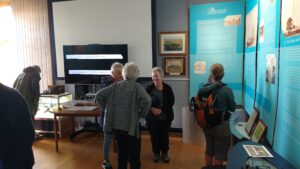
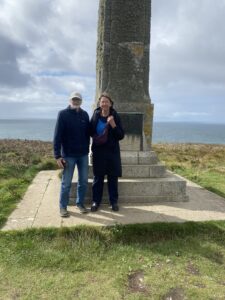
On 10th September we had a very interesting visit to the Marconi centre. The site is famous as the location of Poldhu Wireless Station, Guglielmo Marconi’s transmitter for the first transatlantic radio signal. In 1899 the Royal Navy had purchased three radios for their ships and several merchant ships followed suit. It was common belief that radio waves would travel around the earth’s curvature but could only travel in straight lines. Marconi was determined to disprove this.
As well as films giving the background to the site, we we also had talks by two very knowledgeable members of Poldhu Amateur Radio Club.
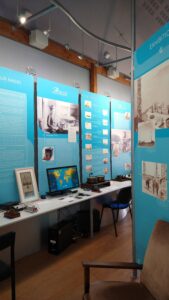
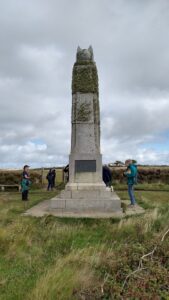
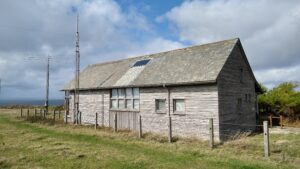
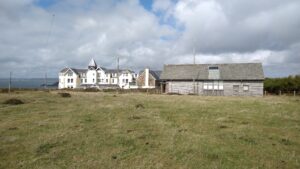
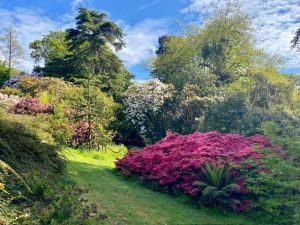
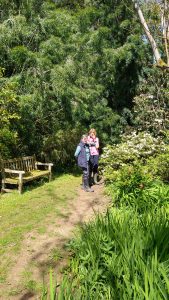
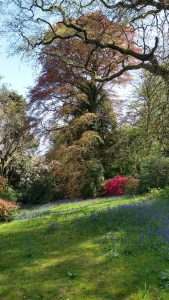
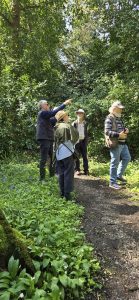
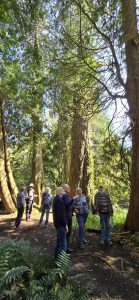
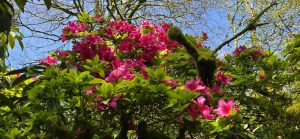
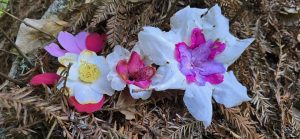
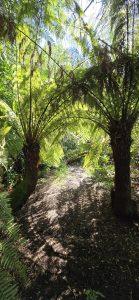
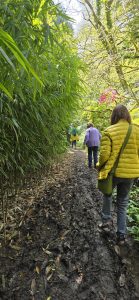
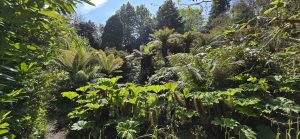
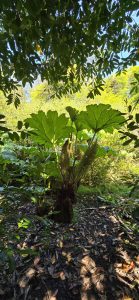
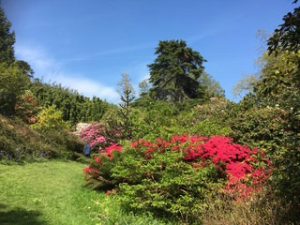
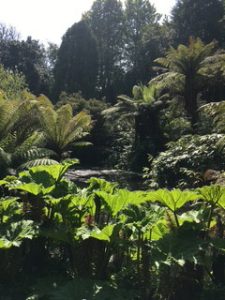
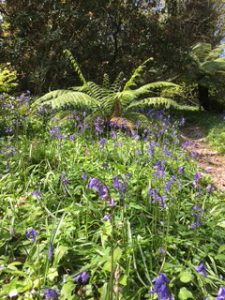
On Monday 28th April we had a visit to Penjerrick garden in brilliant sunshine. We saw some wonderful rhododendron and azaleas and the more intrepid amongst us, explored the bottom ponds and streams! Back at the Penmorvah Hotel, Henrietta Boex gave us a very interesting illustrated talk about the history of Penjerrick. The cup of tea and cake was most welcome after our exertions!
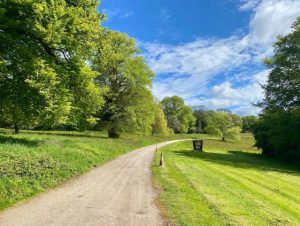
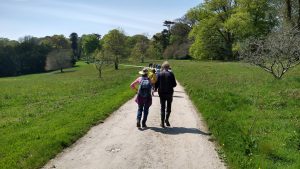
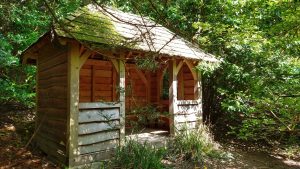
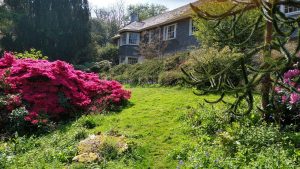

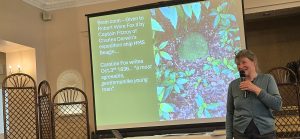


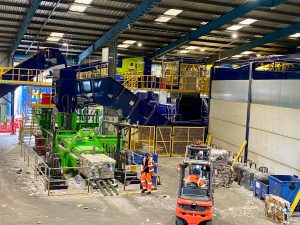
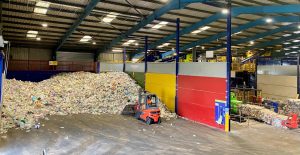
We had a very interesting talk on Monday 20th January 6pm given by Guy English on the Holy Wells of Cornwall. Details of his book are here: Welcome to Holy Wells – Holy Wells
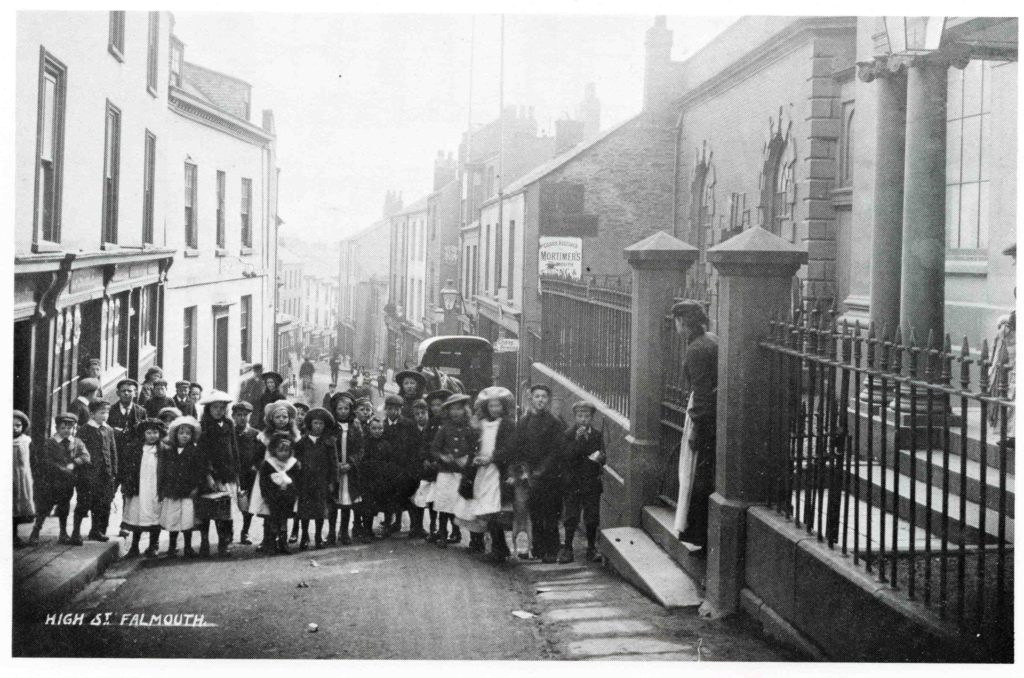
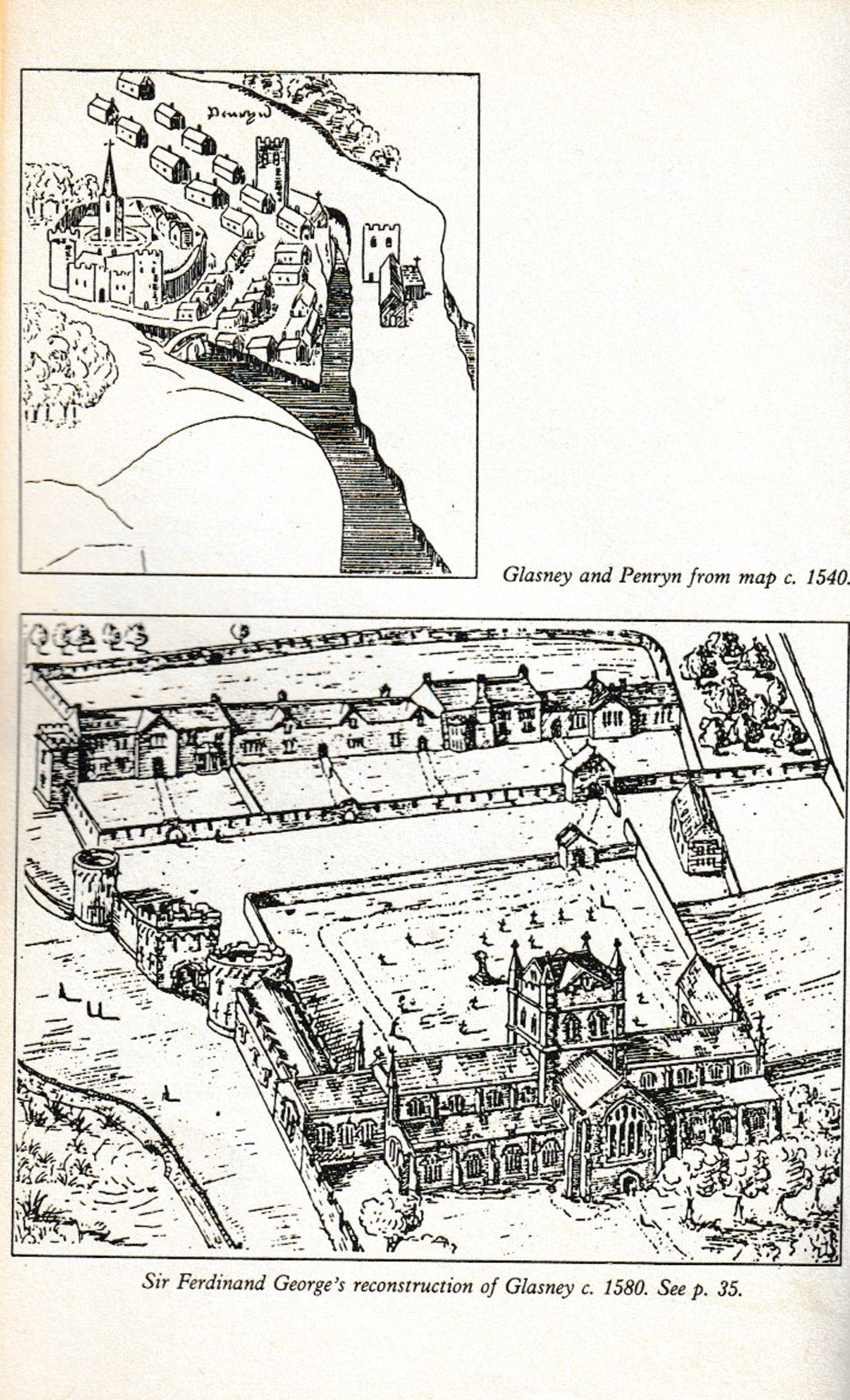
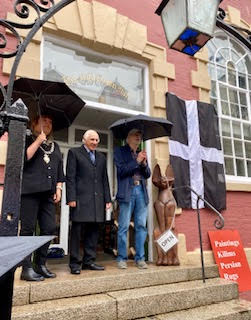
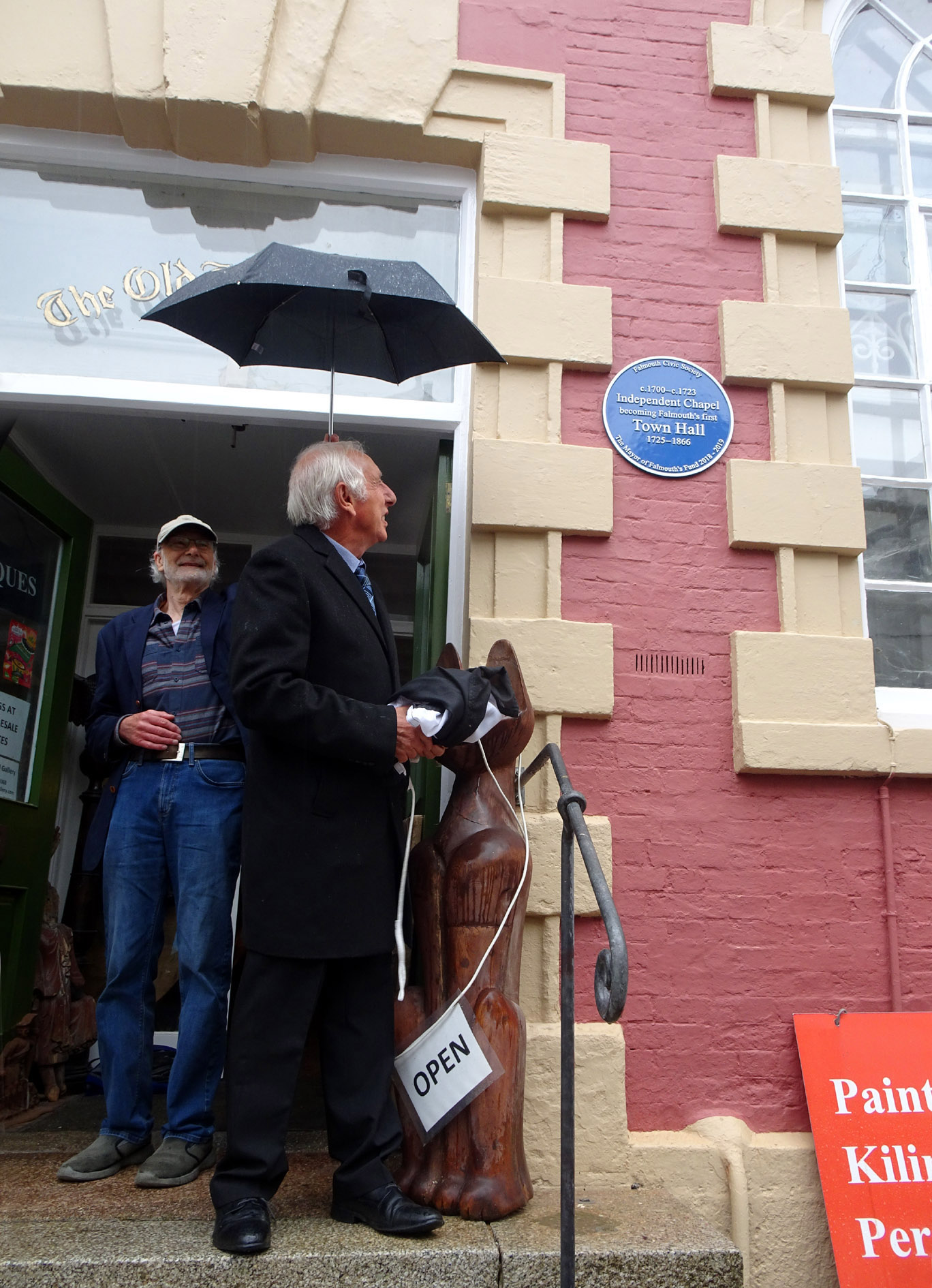
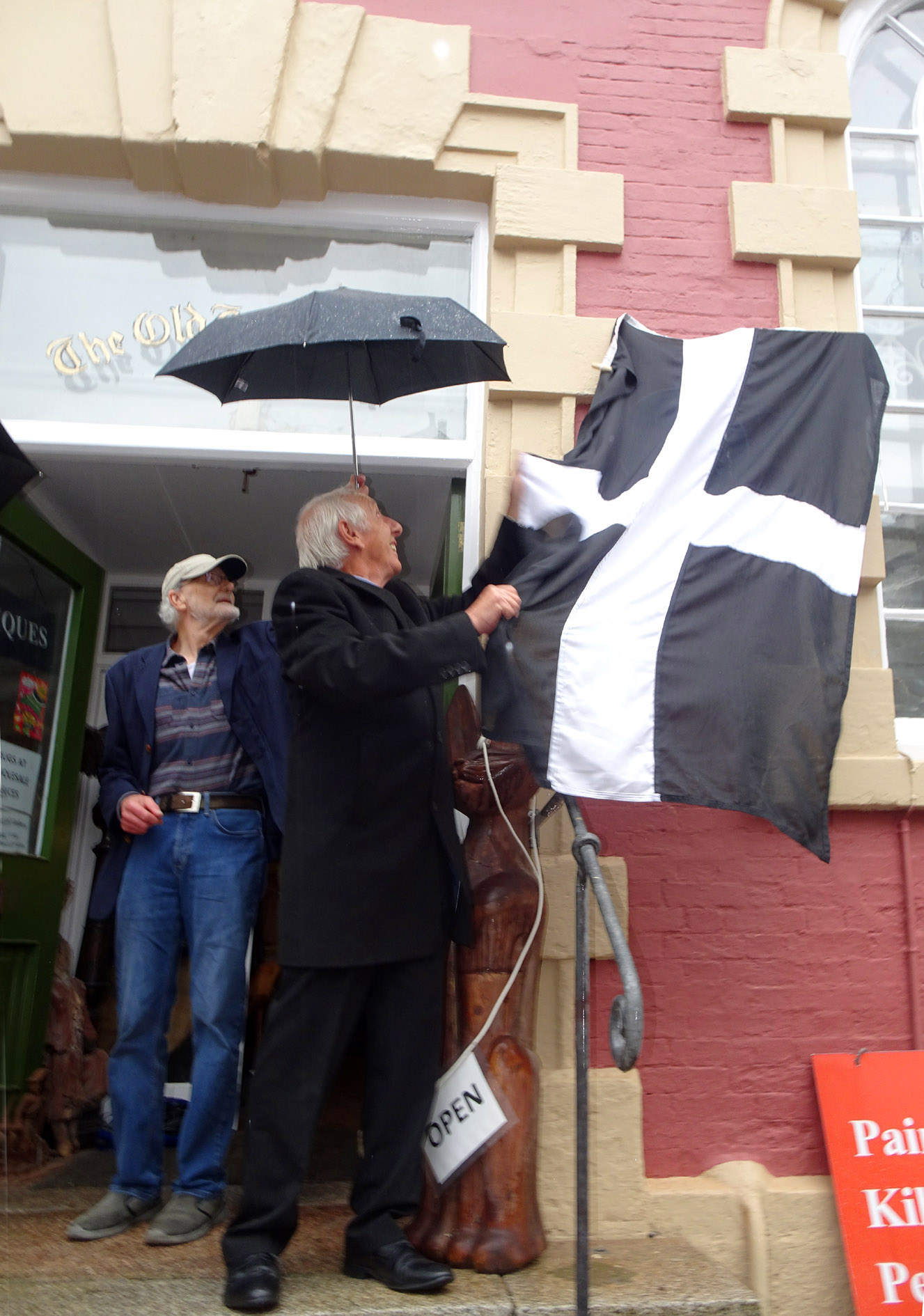
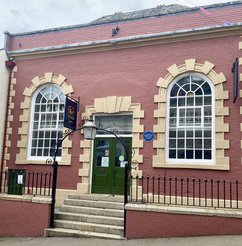
Unveiling a Blue Plaque on the Old Town Hall, 3 High Street
2pm, Wednesday 24th July
Followed by a
Talk by Mike Jenks, on:
Falmouth’s first Town Hall, 1725 – 1866
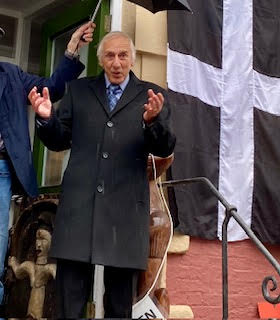
Despite the wet weather, a crowd gathered to watch the former Mayor of Falmouth, Grenville Chappel unveil a blue plaque to commemorate the history of the building.
After that Professor Mike Jenks gave a talk at the Poly.
One of the oldest buildings in Falmouth, this talk drew on original sources not seen before to tell the story of the Old Town Hall.
It started life in troubled times as a non-conformist chapel in the late 17th century. But when was it first built? The dates found range from 1662 to 1710, and the talk tried to solve that mystery. What is known is that it was owned by Martin Killigrew, and in 1725 he gifted to the town for use as a town hall for the sole benefit of the public.
It remained as the town hall, also housing the assizes and a district County Court until 1866, when the councillors moved to a new building next to the Moor. They sold the old one to the Oddfellows, who occupied it for over 80 years, selling it into private ownership in 1948.
Since then, it has been used as an antiques shop and an art gallery, while retaining much of its charm and character.
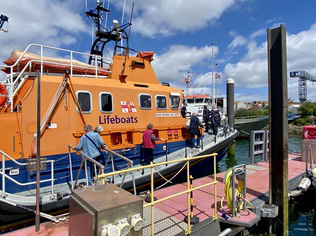
Visit to Falmouth Lifeboat Station
To mark the 200th anniversary of the RNLI Civic Society members paid a visit to Falmouth Lifeboat Station on Election Day.
Falmouth Lifeboat Station is the busiest in Cornwall and we heard about some daring rescue missions, one of which had happened only the night before. We were very fortunate to be shown around by two of the many volunteers who help out at the station. The depth of knowledge about the building and operating of the two vessels was outstanding and we all learnt so much about this vital emergency service that saves so many lives year after year.
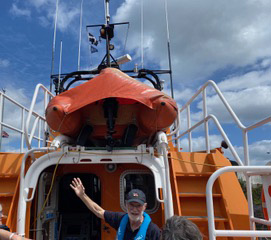
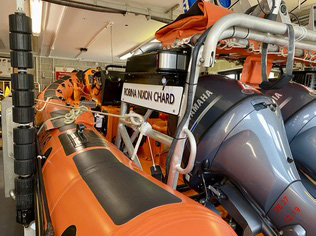
Patrick and Andrew showed us over the Richard Cox Scott, the Severn class all weather vessel that many of us have seen out in the Bay and also the B class Atlantic 85 inshore lifeboat, Robina Nixon Chard.
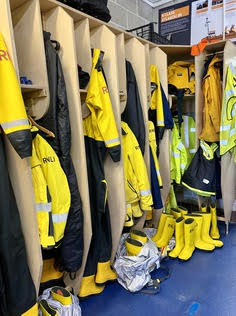
We finished out fascinating visit by looking at the kit that the volunteer crews wear when they embark on a “shout”. The all weather life jackets, clothing and boots they put on are designed to keep them very safe and very dry.